Liberation from the Predictable
What remains for art photographers when AI learns every authorial technique?
This text functions as a stress test. It examines what remains of photographic authorship once style, technique, and recognizable effects become fully reproducible. Rather than opposing artificial intelligence, it treats it as a condition that exposes the limits of predictability and forces the photographic act into the zone of risk.
Artificial intelligence is no longer limited to precise imitation of reality. It now reproduces everything: detailed landscapes, fine art portraits, painterly surfaces, and carefully crafted blurs. Effects that once implied time, labour, and intention are now generated instantly.
Any effect that can be described becomes a formula. What recently functioned as an authorial signature turns into a service. Images circulate smoothly as visual infrastructure rather than as events (Image as Infrastructure).
Why does this frighten us?
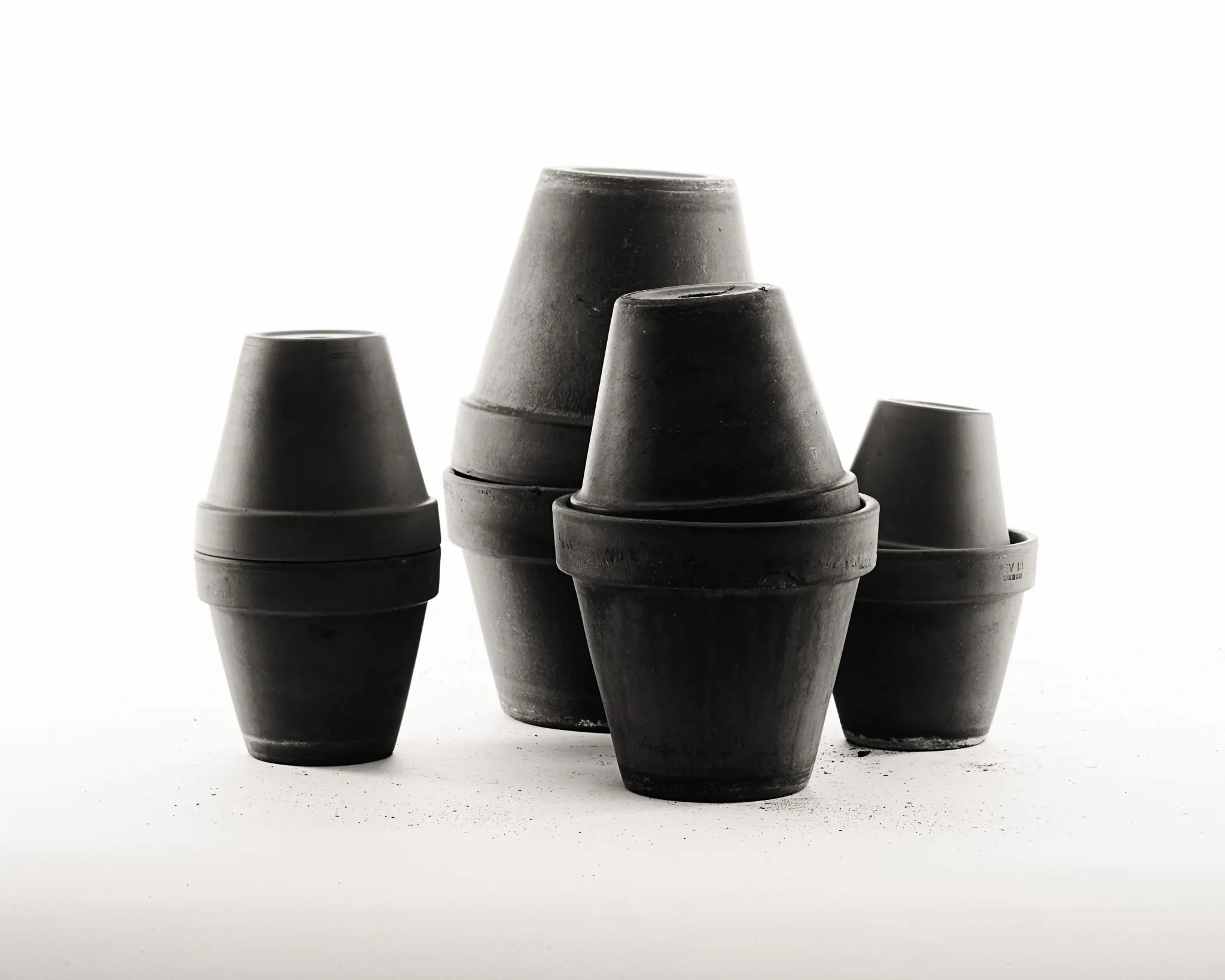
This simple still life, made by me, can be replicated by AI without loss. Not because the machine is advanced, but because the image itself never exceeded its formula.
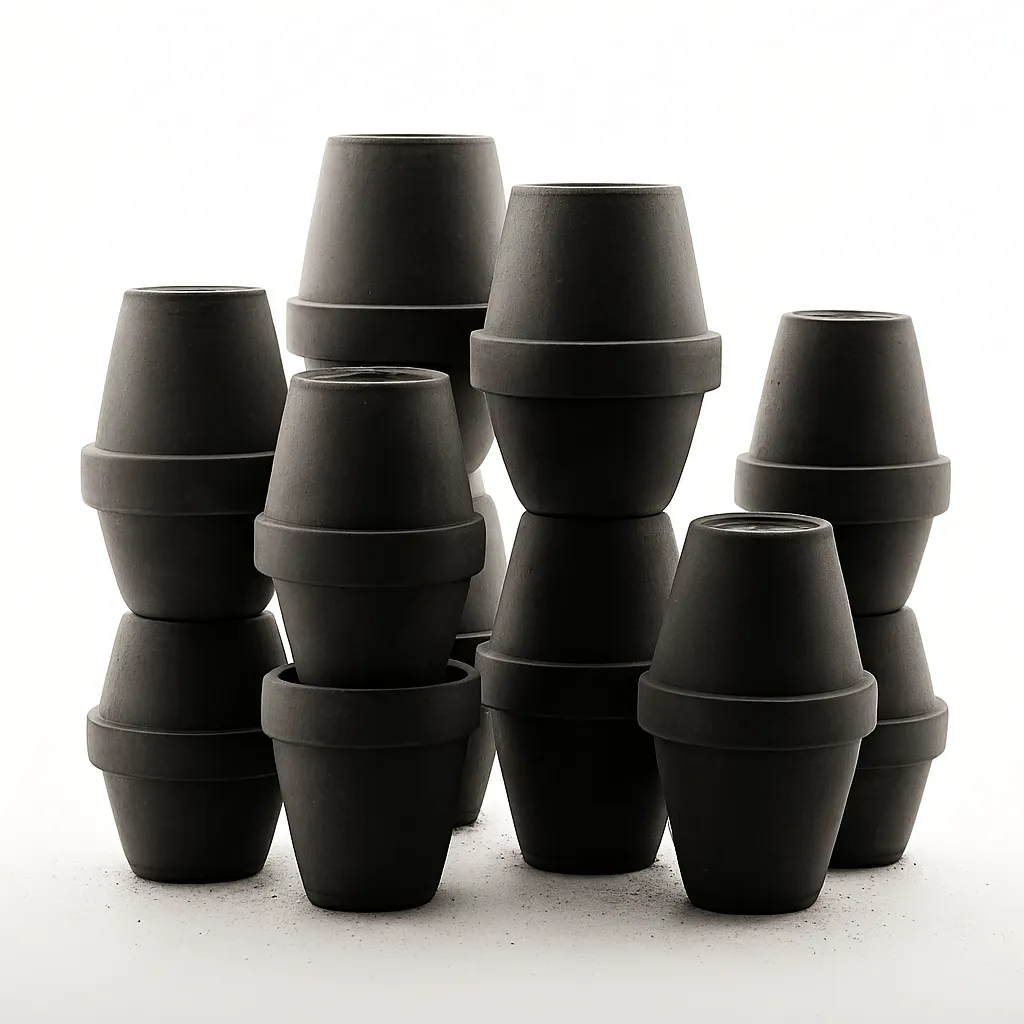
A single iteration replaces hours of work. The first seconds go into writing a prompt, the next into generation. No refinement is required. This is only the most basic level of automation, without adjustment or care.
We learned to believe that recognizable style proves authenticity. Soft tones, visible labour, and careful retouching appeared to confirm artistic presence. Painterly effects promised escape from automatism.
Stylization is always a compromise. It does not create experience. It repeats what is already familiar. Decorative photography reaches its limit here. The image declares that it looks like art, and nothing more. That declaration no longer holds value.
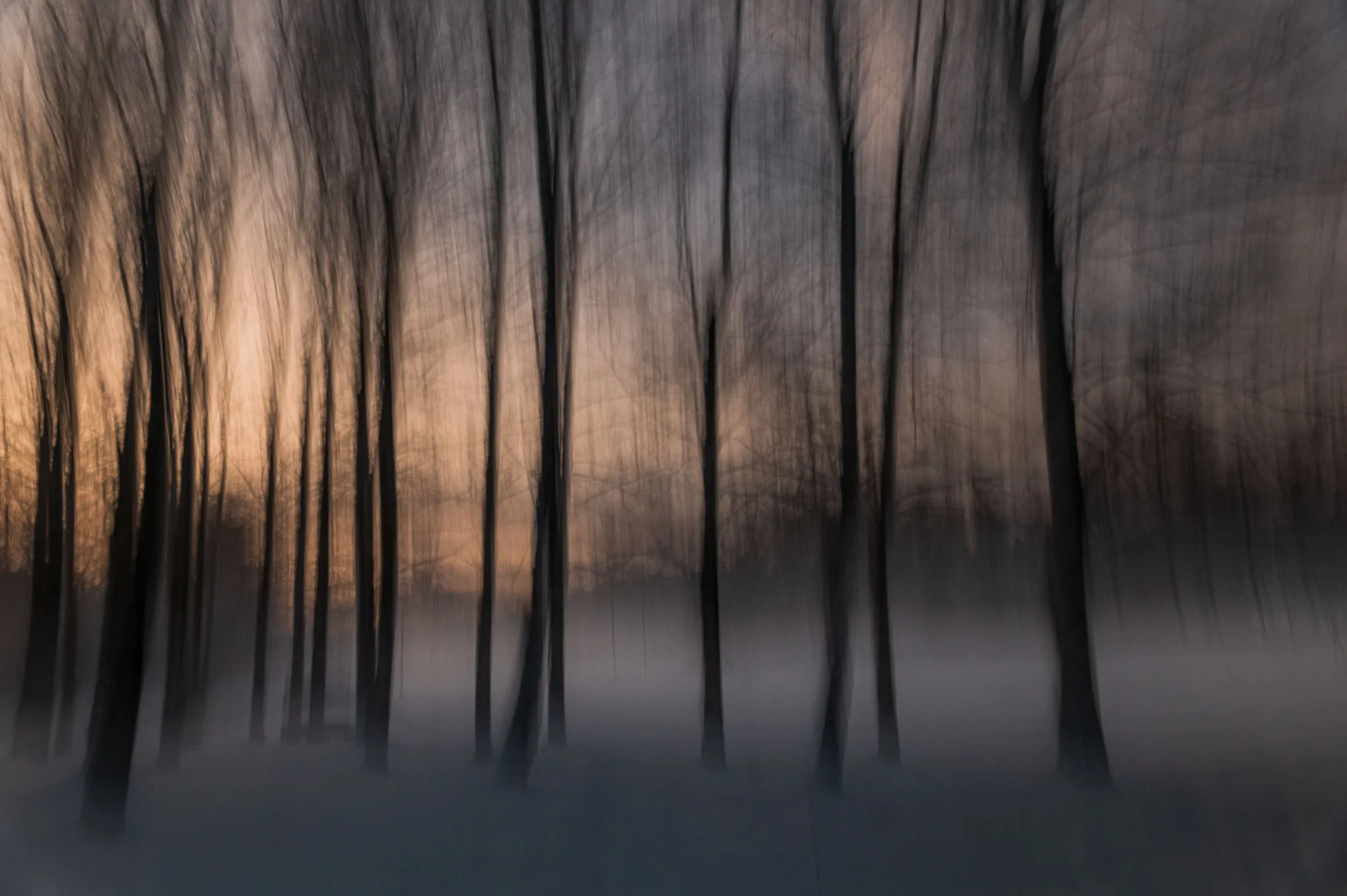
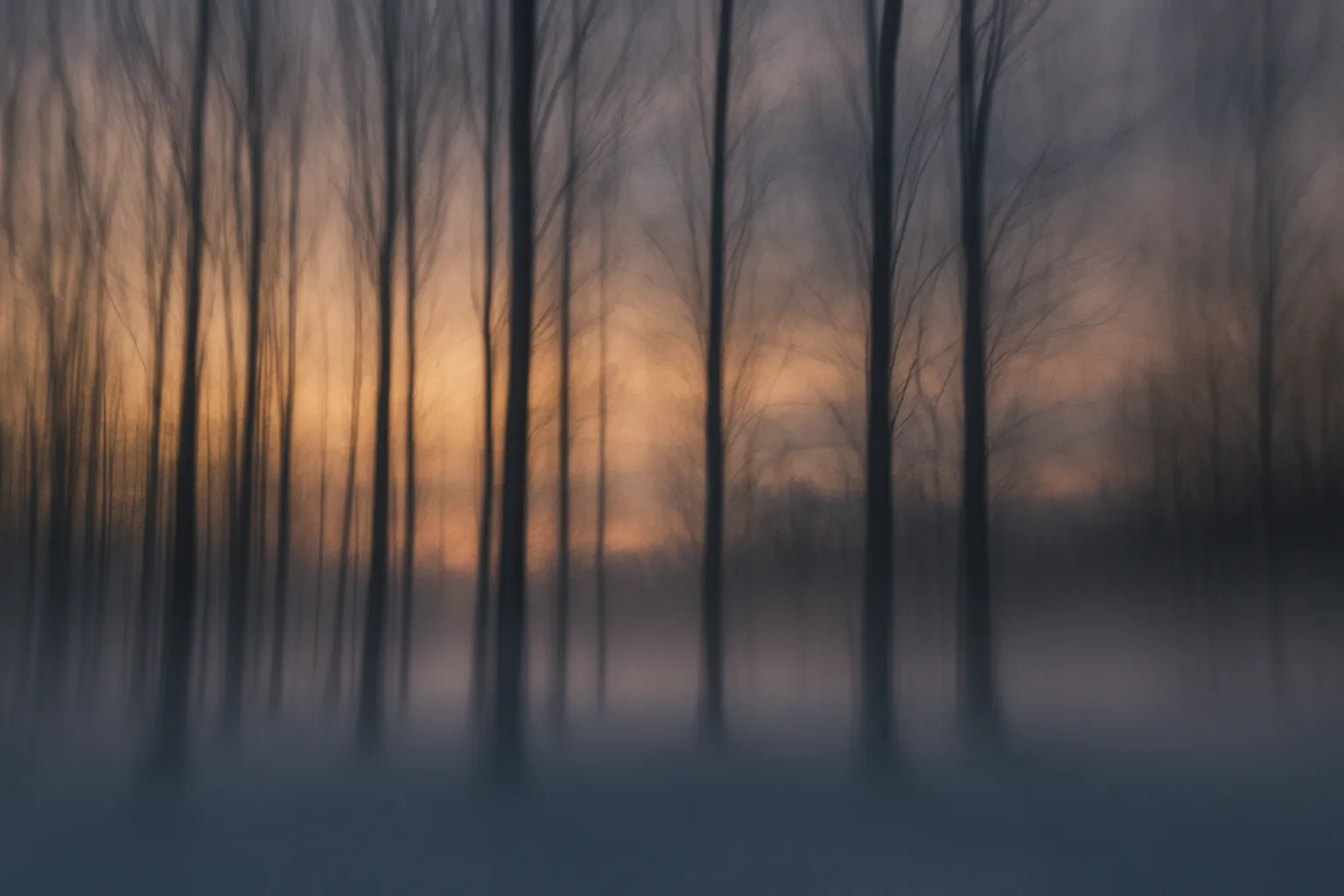
This is a real photograph, made by me. Does it differ fundamentally from the AI image generated from my prompt? At this stage, barely. And this is only the beginning.
In the mid twentieth century, Clement Greenberg argued that painting had to return to what belonged to it alone. Medium specificity meant abandoning stylization and working through the conditions of the medium itself. In photography, those conditions were light, exposure, and time.
Today medium specificity is no longer theoretical. Algorithms can imitate results, but they cannot reproduce the process through which an image comes into being. They bypass duration, friction, and consequence.
What matters is not surface effect but the interaction of intention and material. Light, time, chance, and repeated failure shape the image. There is no recipe. Each photograph becomes partly unpredictable, not because of accident, but because it unfolds as an event.
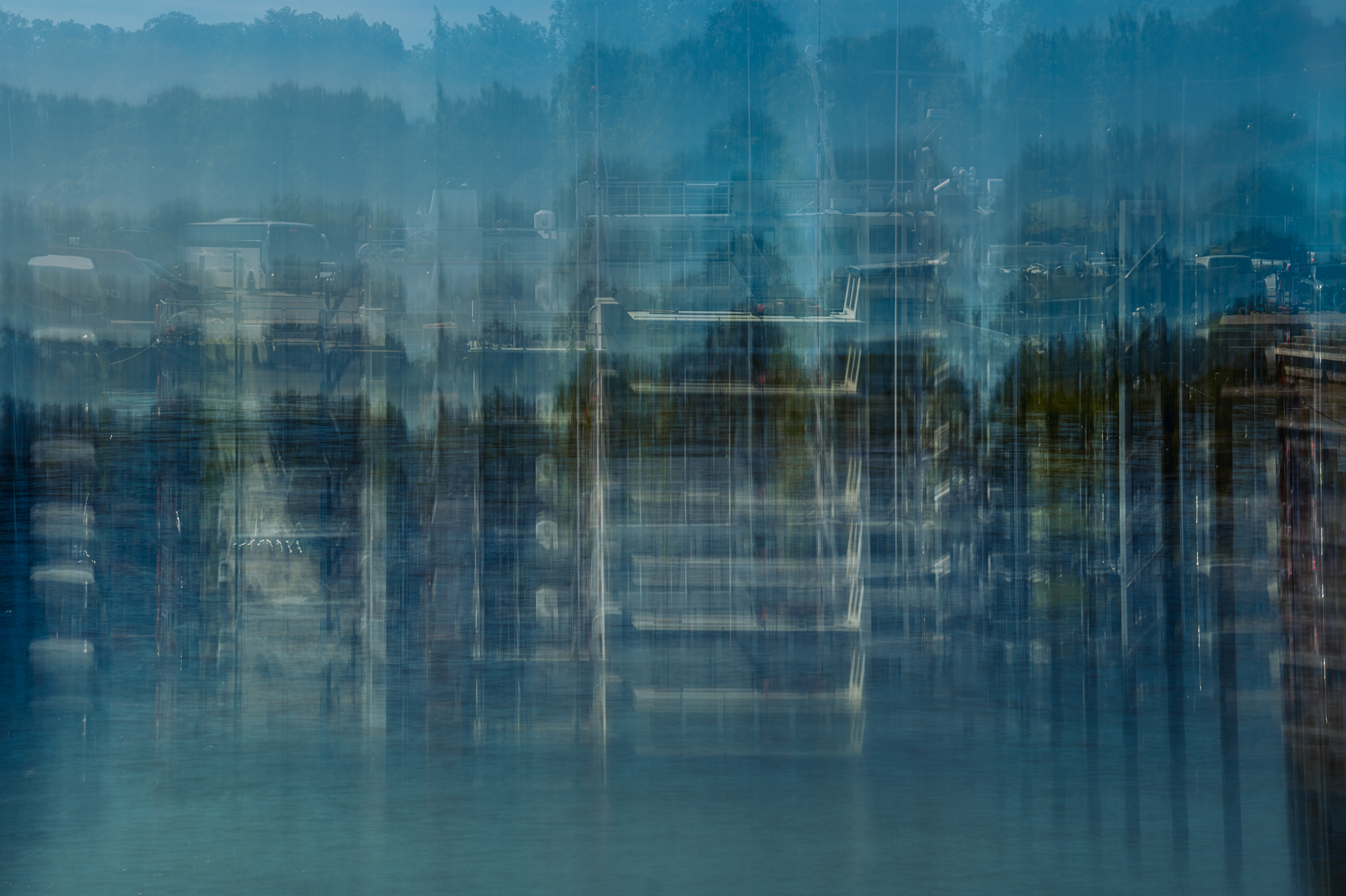
Harbor Segmented (from Disruptive Exposure)
The pier, the cars, and the trees anchor the image within photography, preserving its physical connection to place. The intentional movement of the camera fractures this stability. The image hovers at the point where recognizability begins to fail without collapsing into abstraction (Optical Threshold). This balance cannot be held by a prompt. The algorithm resolves it too quickly, either into clarity or into effect.
Here, artificial intelligence becomes a test. It exposes the difference between exploration and scheme. What can be replicated immediately was never more than its appearance.
AI does not steal style. It reveals when there was only style.
Many photographers fear this exposure. Not because technique is taken away, but because their practice never moved beyond what could be named. Viewers and critics fear it as well. Recognition loses its authority. Beauty no longer guarantees meaning.
The choice is no longer between human and machine images. It lies between producing effects and risking events. Risk involves misunderstanding. It involves loss. It involves situations where something disappears rather than being preserved.
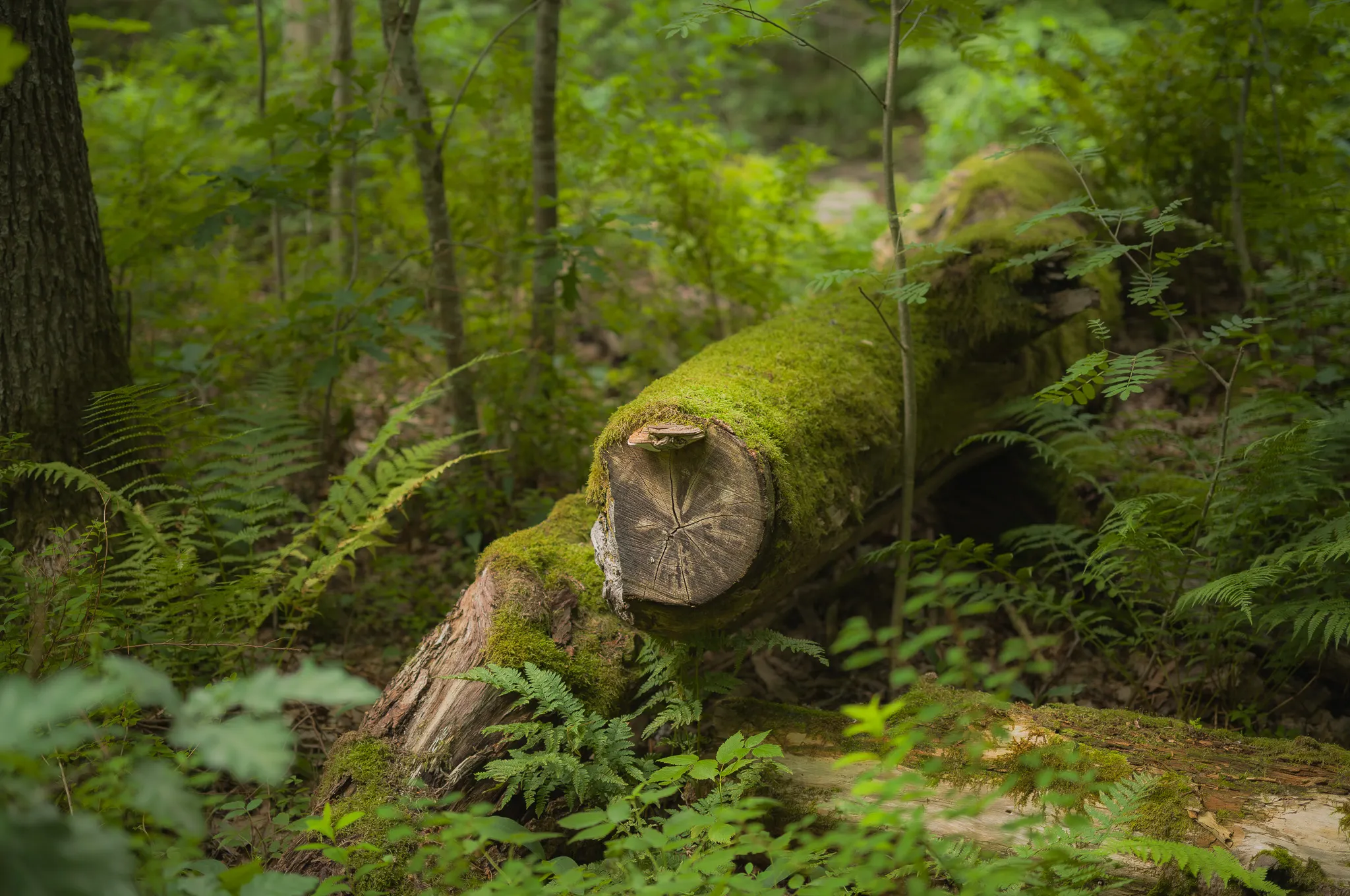
While making one of these photographs, mosquitoes covered my arms in a dense forest. The discomfort mattered less than the condition it revealed. The image emerged from a situation that could not be optimized or repeated.
Anything that relies on instant recognizability no longer claims uniqueness. Perfect seas, misty forests, and painterly portraits now belong to the machine. This is not nostalgia. It is not catastrophe.
It is liberation.
Artificial intelligence can copy effects. It cannot invent reasons. It cannot recreate the friction between intention and medium that gives an image weight.

Market Square Eater (from Expressive Dimensions)
I tried many times to reconstruct this image with AI. Each result failed. What remained resistant was not the blur itself, but the experience of seeing that unfolded within it. The image did not depend on effect. It depended on a situation.
This resistance will not last forever. What has not yet been published or labeled will eventually enter training data. For now, what remains is the risk of creating an irreversible event that leaves a trace no algorithm can preempt.
This text is based on an essay originally published on Full Frame Magazine, Jul 6, 2025
Related projects: Disruptive Exposure, Expressive Dimensions