Abstraction with an edge
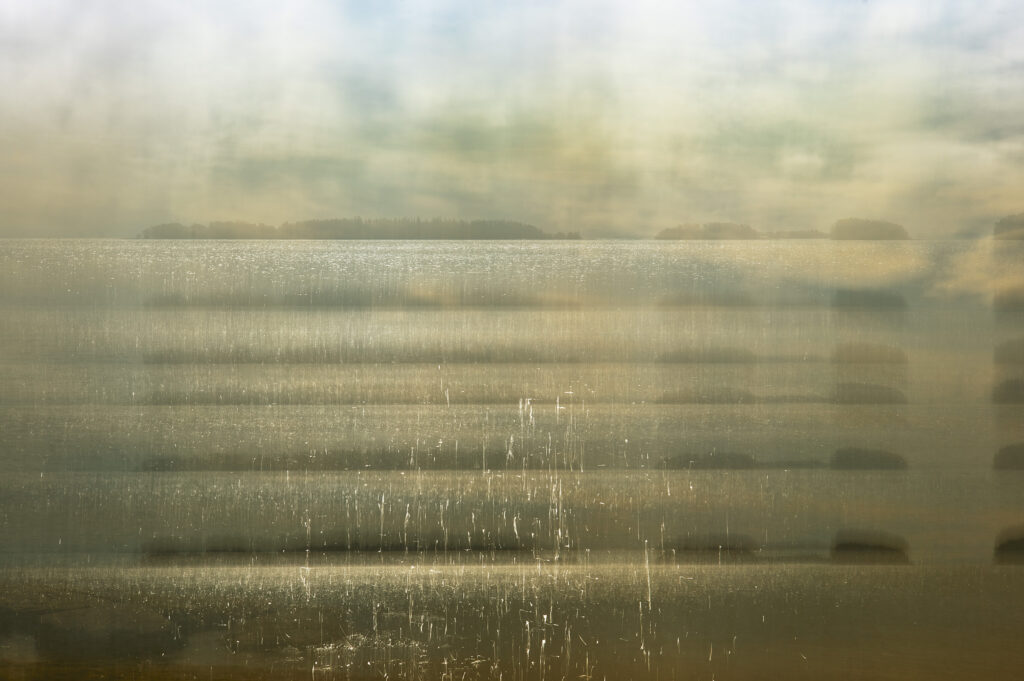
This series began with a question about the familiar notion of “beautiful” abstraction: why should abstraction be soft, fluid, and dissolving? Here, abstraction isn’t an escape from reality but a way of working with it through tension, tactility, and sharpness. This is abstraction with an edge, where form doesn’t drift; it cuts directly into perception.
These works explore how rhythm shapes perception. Tools previously used to achieve fluidity are repurposed to create tension, structure, and density. Instead of dissolution, there is a flash of form; instead of continuous flow, repetition and vibration.
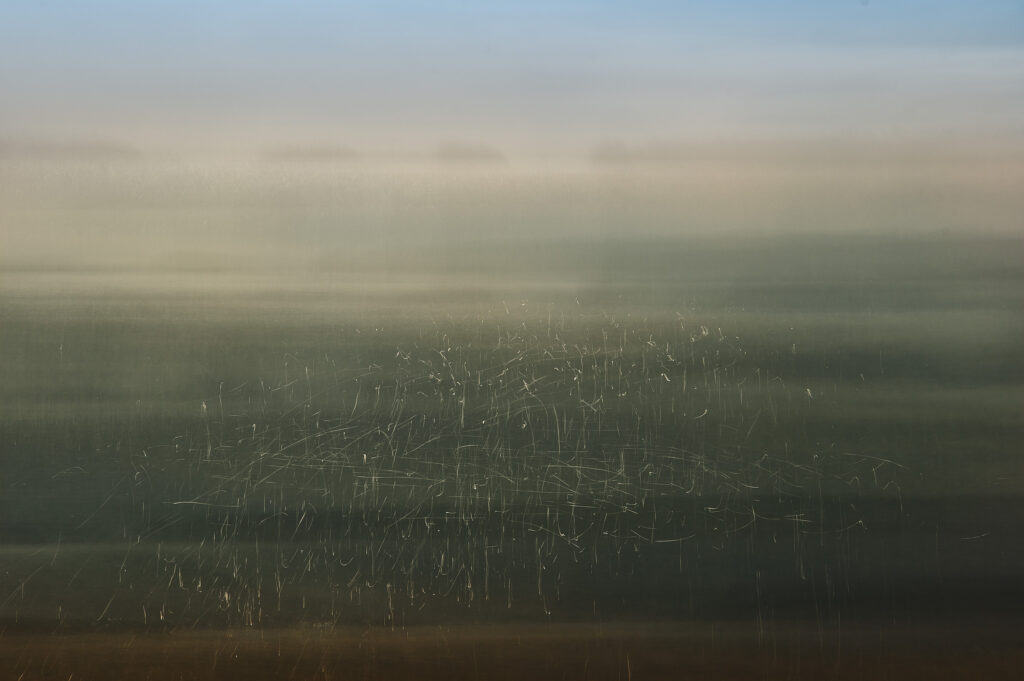
The camera no longer moves smoothly. Its movement becomes sharp and interrupted, producing gestures that build into rhythmic structures, not a dance but the deliberate weight of a drumbeat: heavy, grounded, intense.
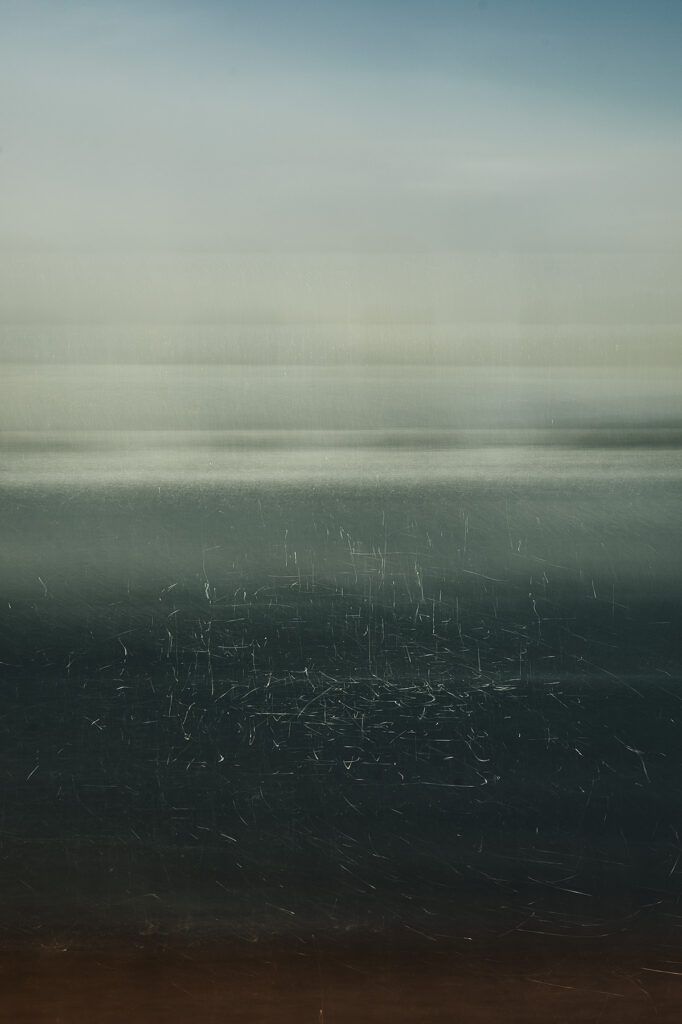
Light doesn’t simply illuminate; it scratches the surface like a burin cutting into metal. It gives the images rigidity, grain, and sheen, as if they were etched or worked with a dry brush. The photographic surface begins to suggest something physical and almost industrial.
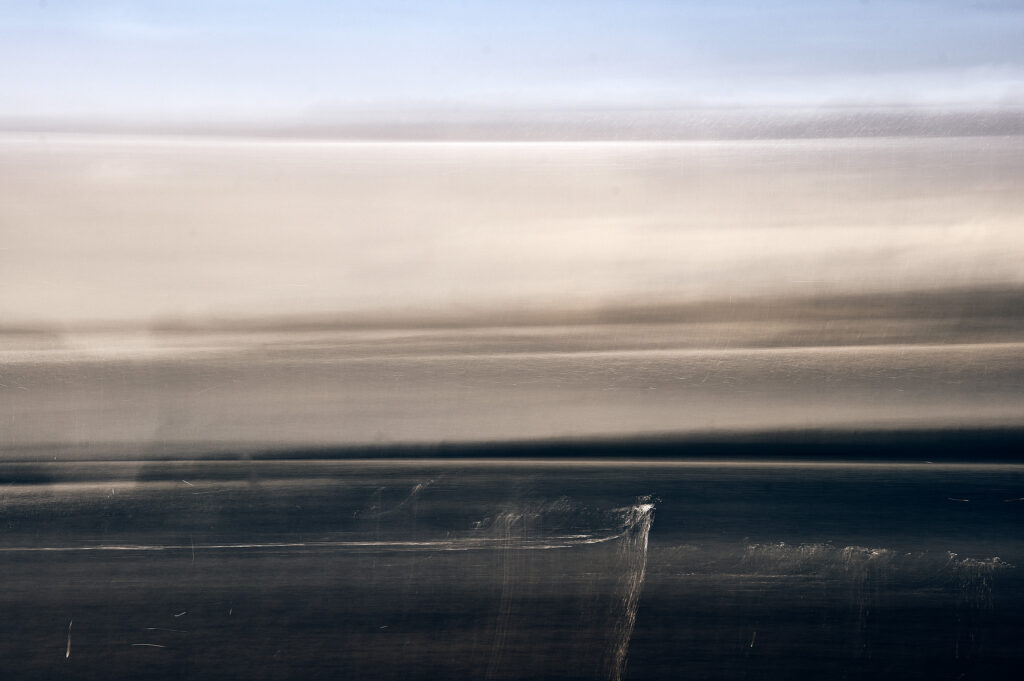
Form doesn’t blur; it erupts. Repetition creates rhythm, and each movement of the camera remains visible as a physical gesture. Reality doesn’t disappear into abstraction. Through light, it scratches the image from within.
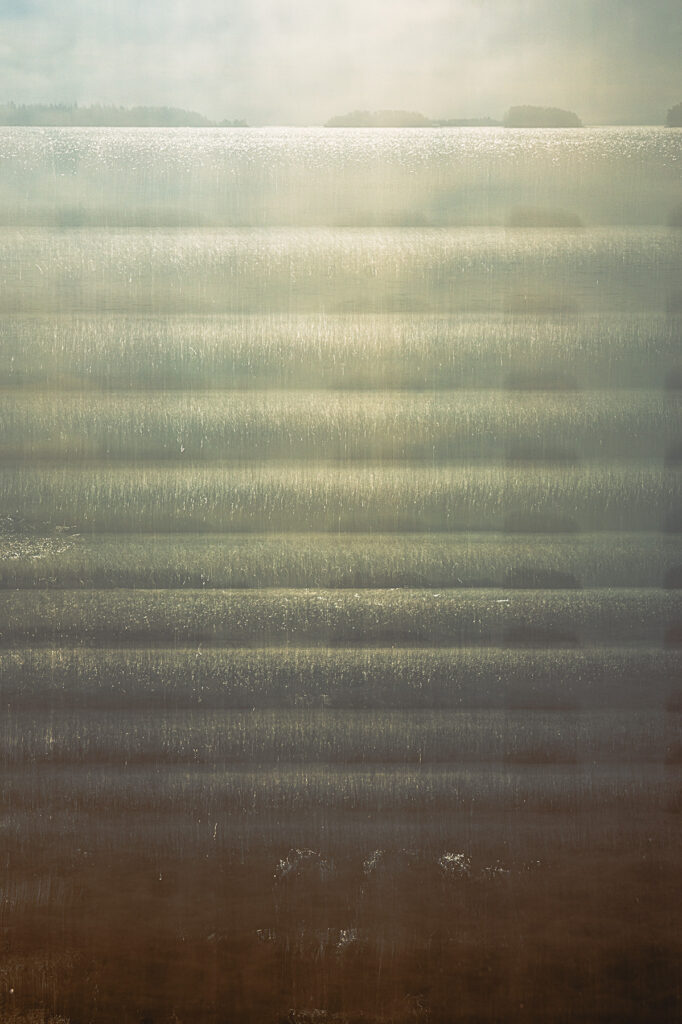
No.1 artwork from this project was selected by Der Greif – an award-winning contemporary photography organization – for the Guest Room feature What (Dis)Appears, curated by Jo Trujillo Argüelles and María Santoyo (published July 1o, 2025).
Both No.1 and No.3 artworks were also highlighted by Artsper curators and featured as “New and Remarkable” (May 2025).