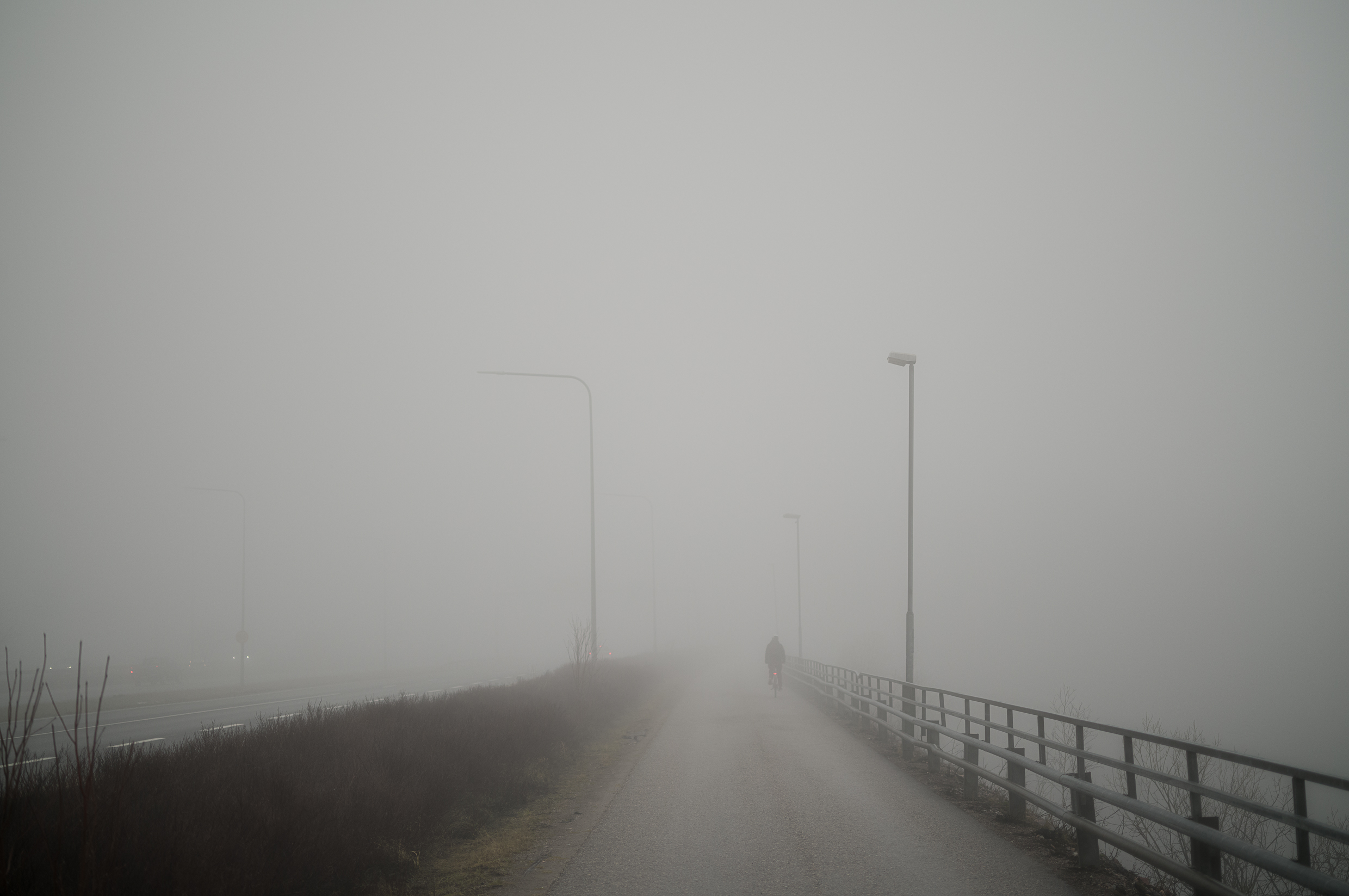
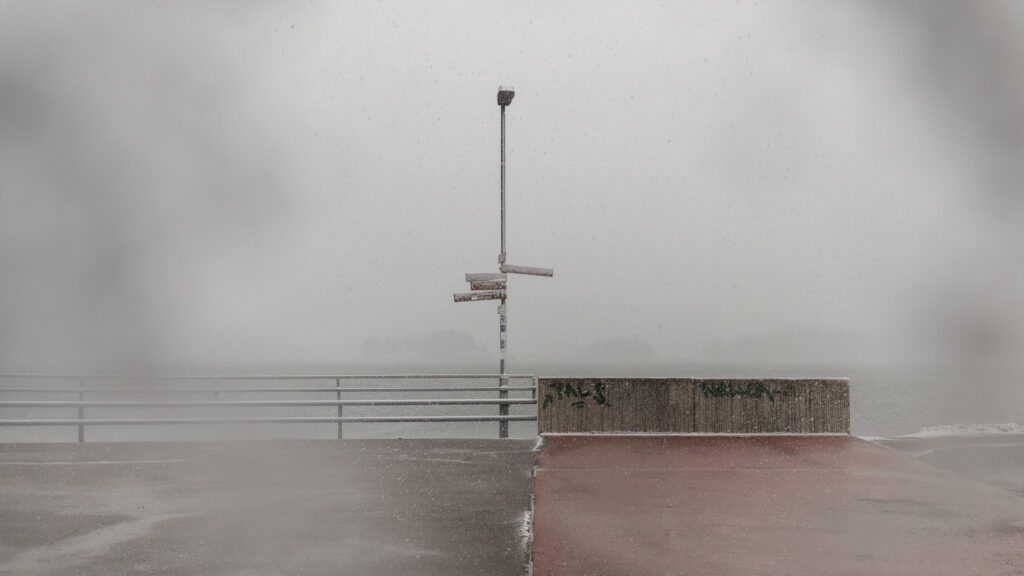
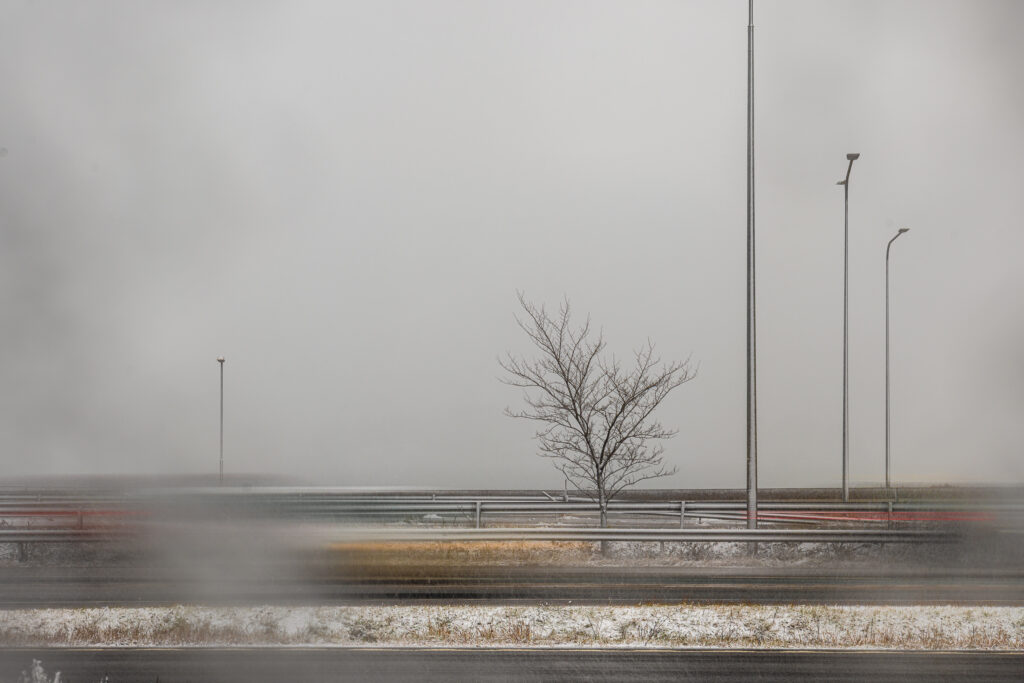
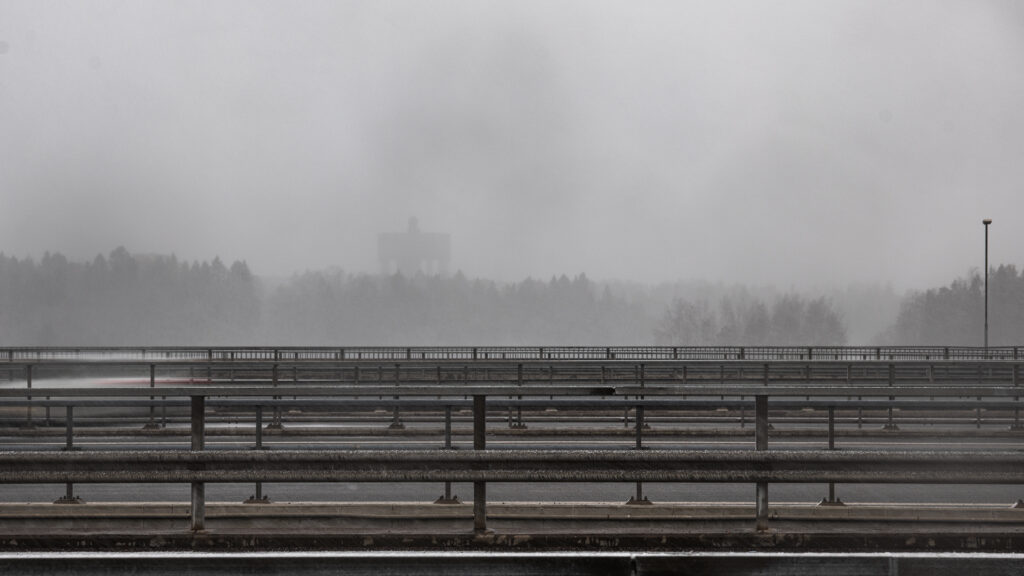
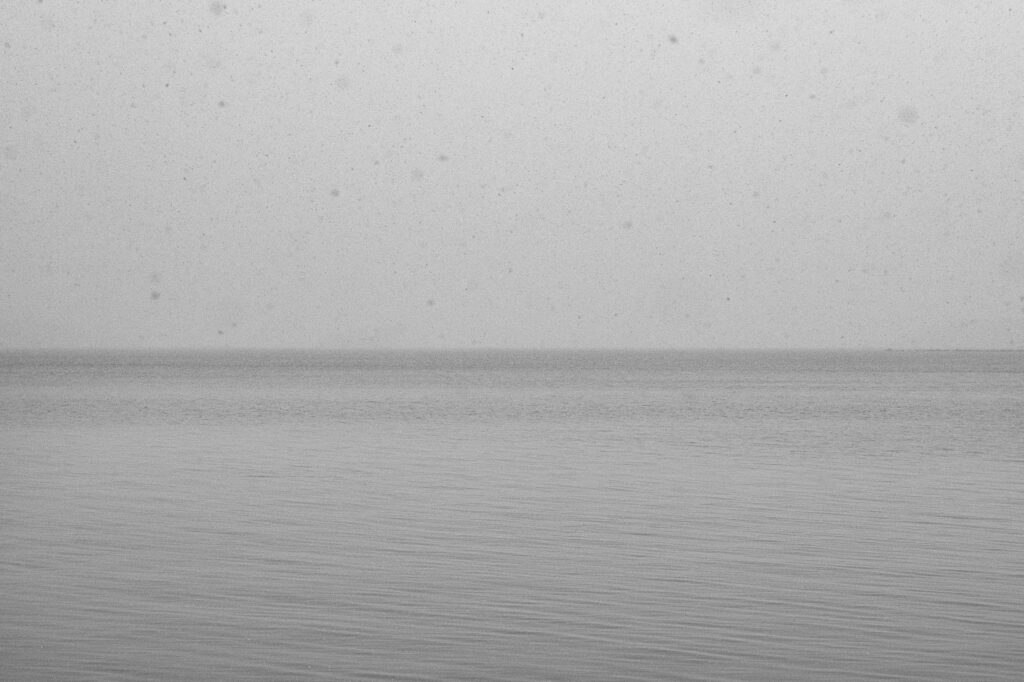
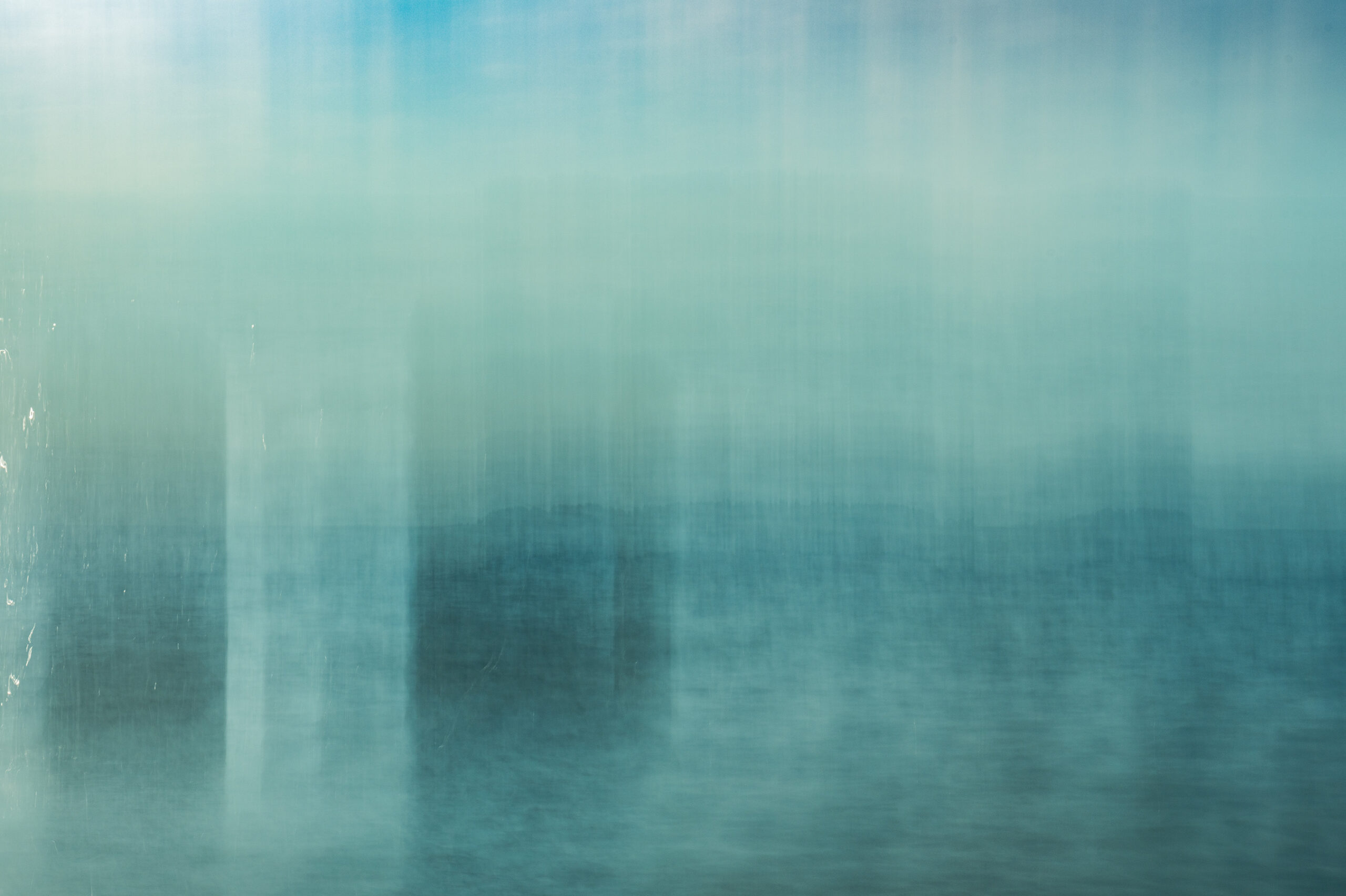
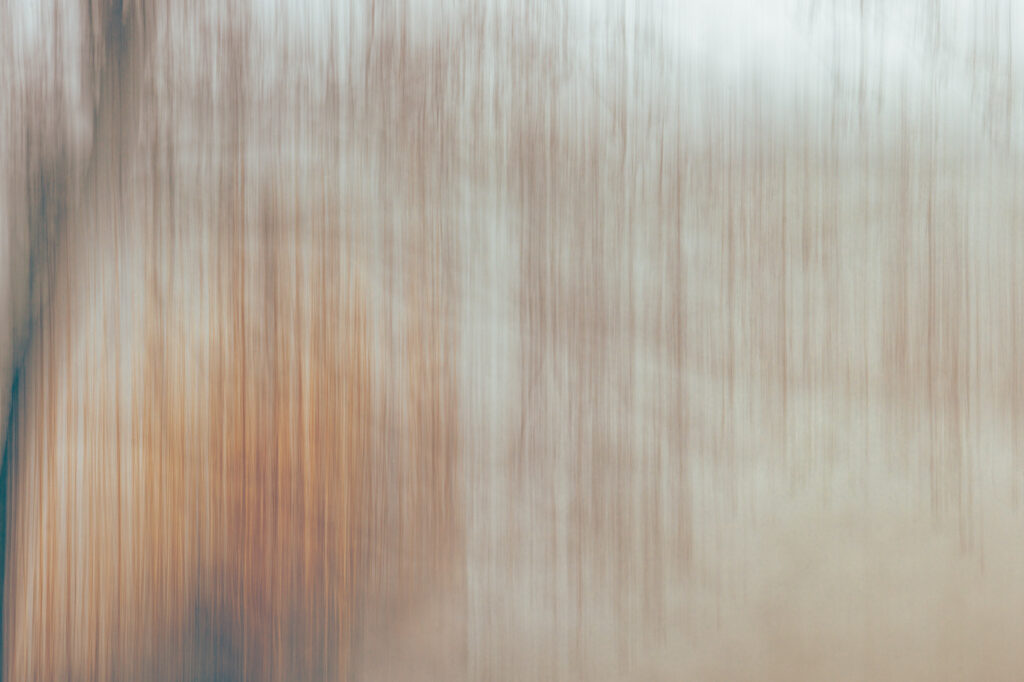
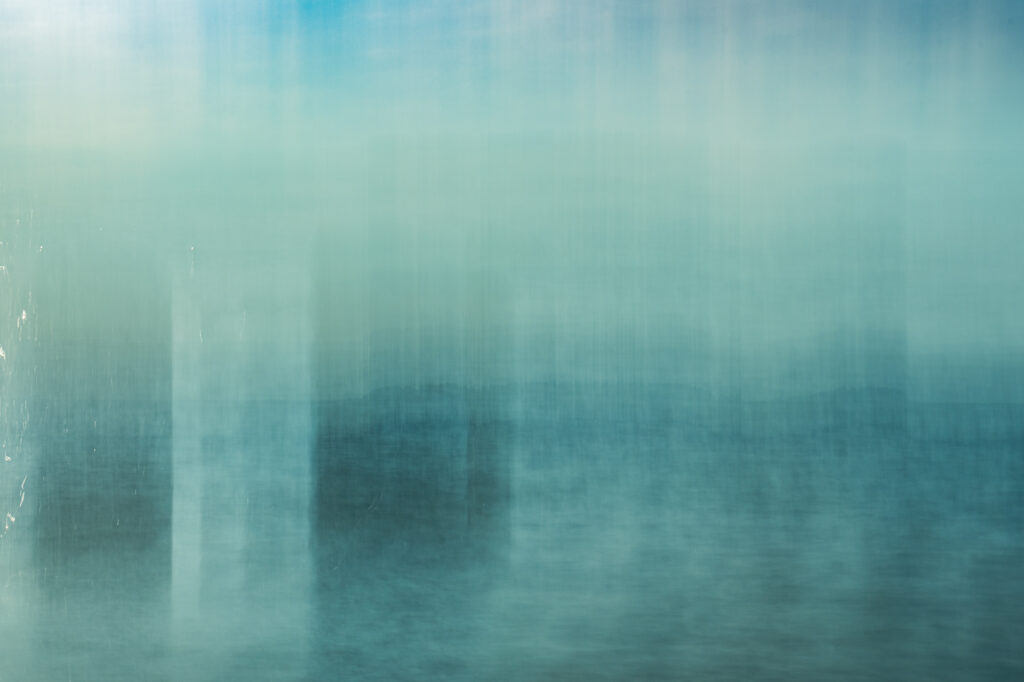
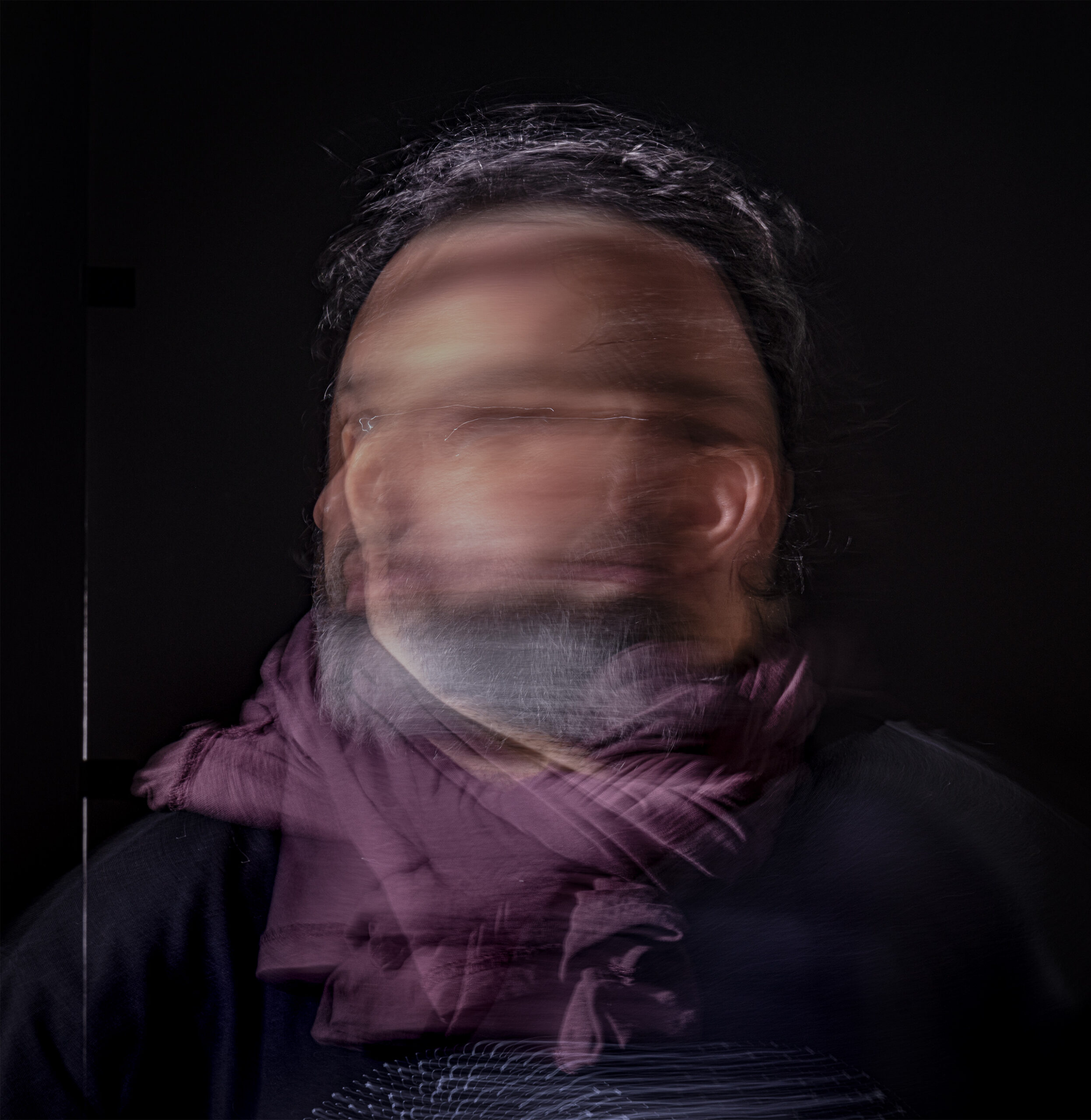
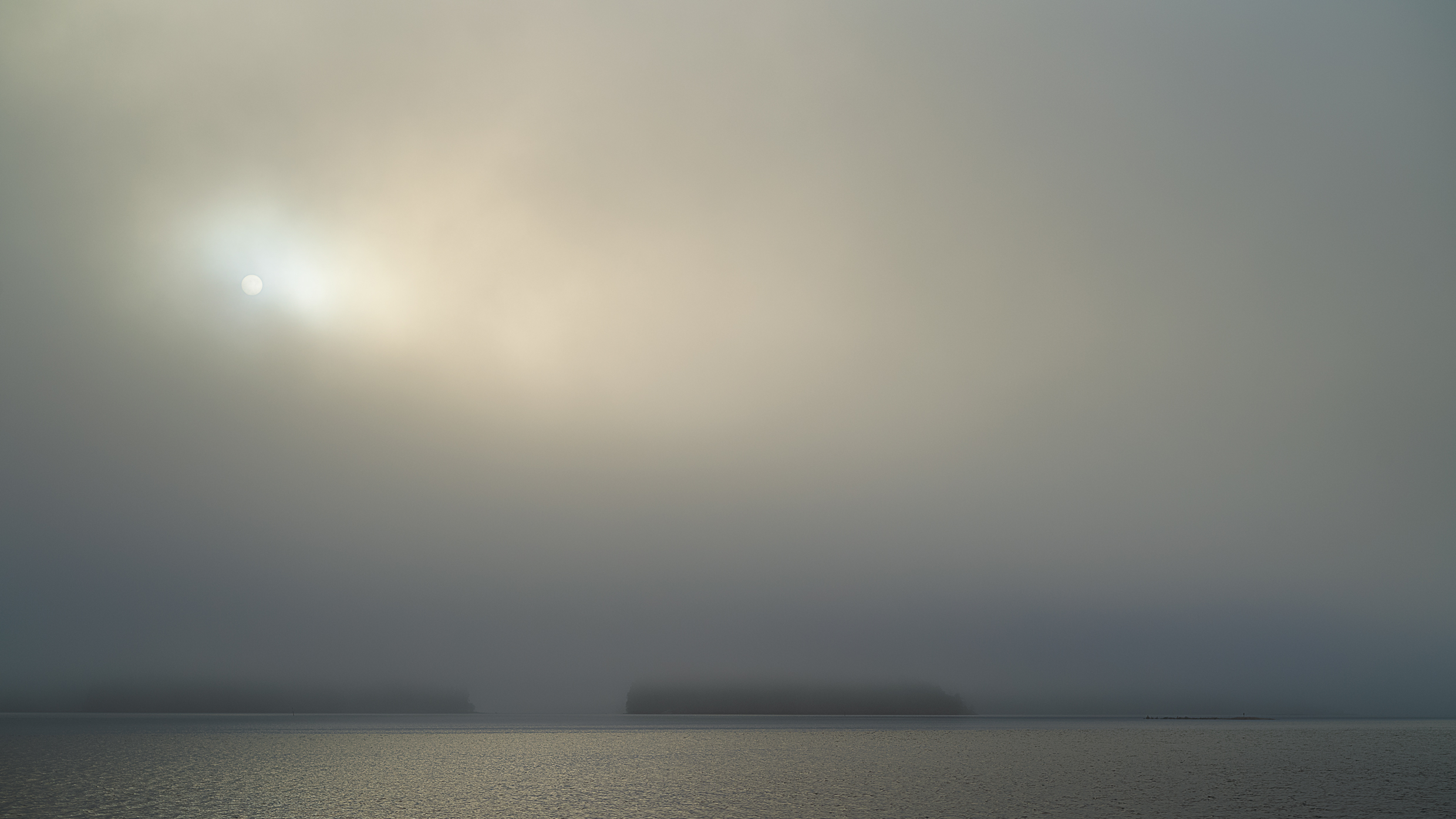
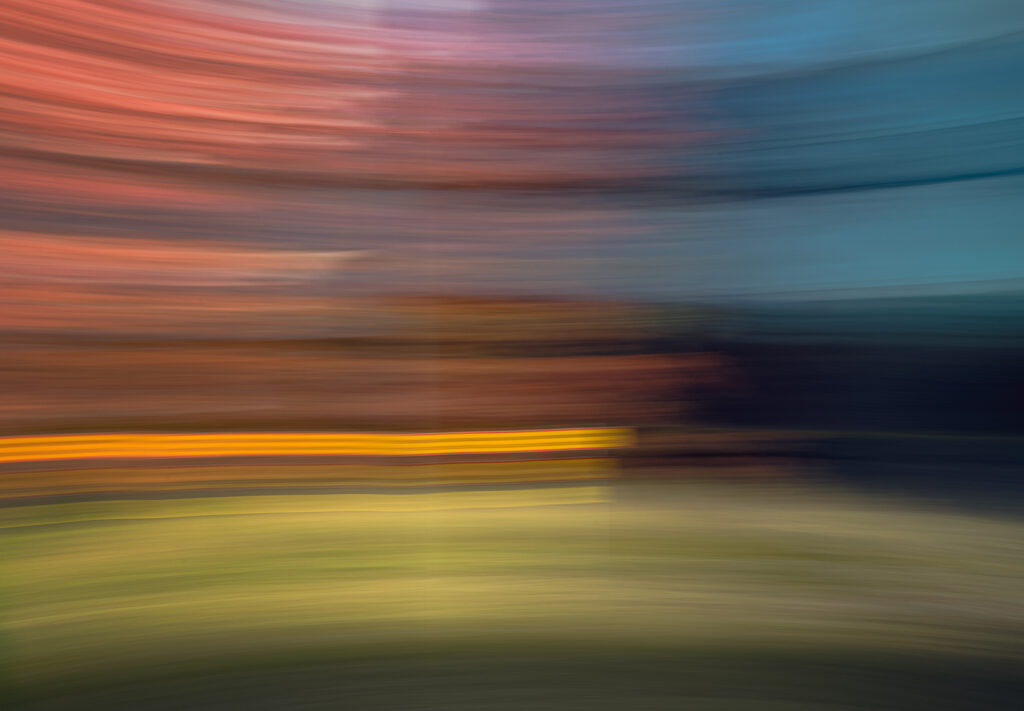
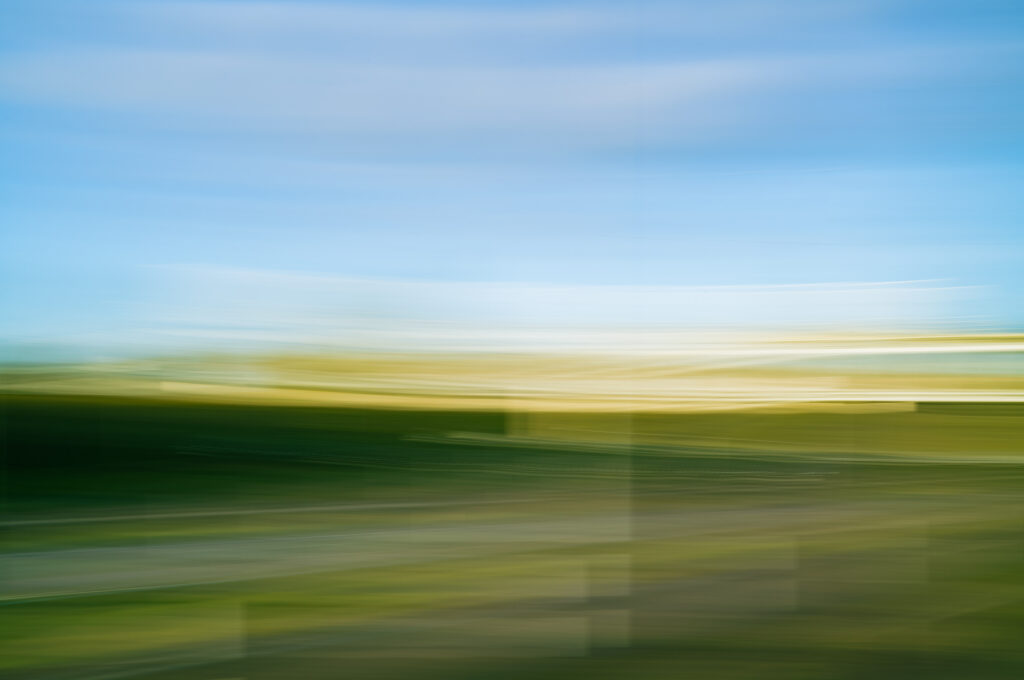
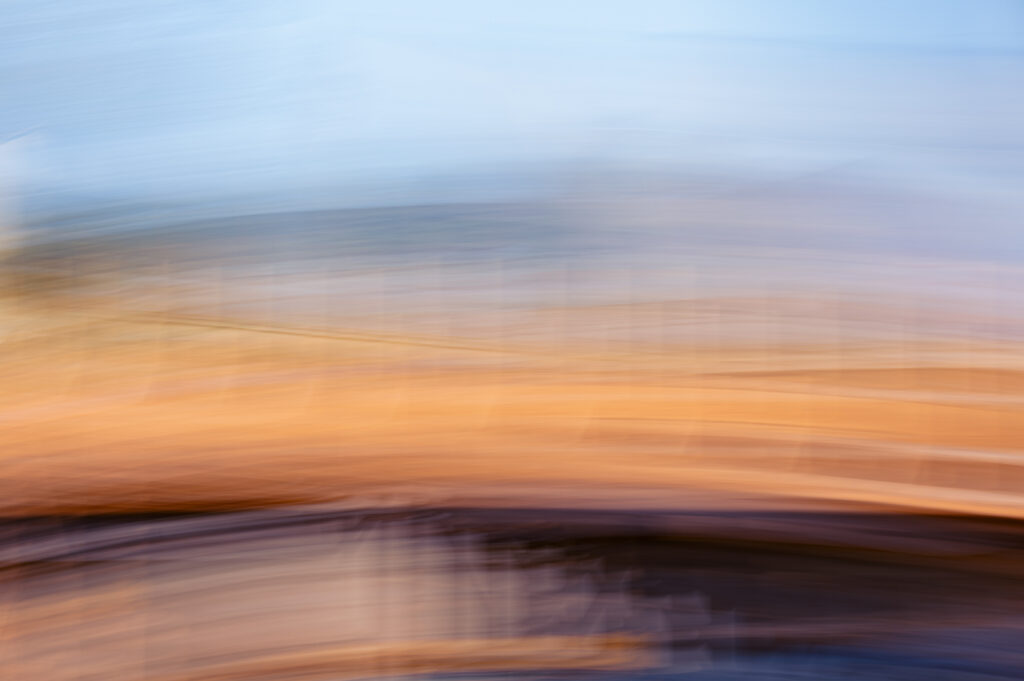
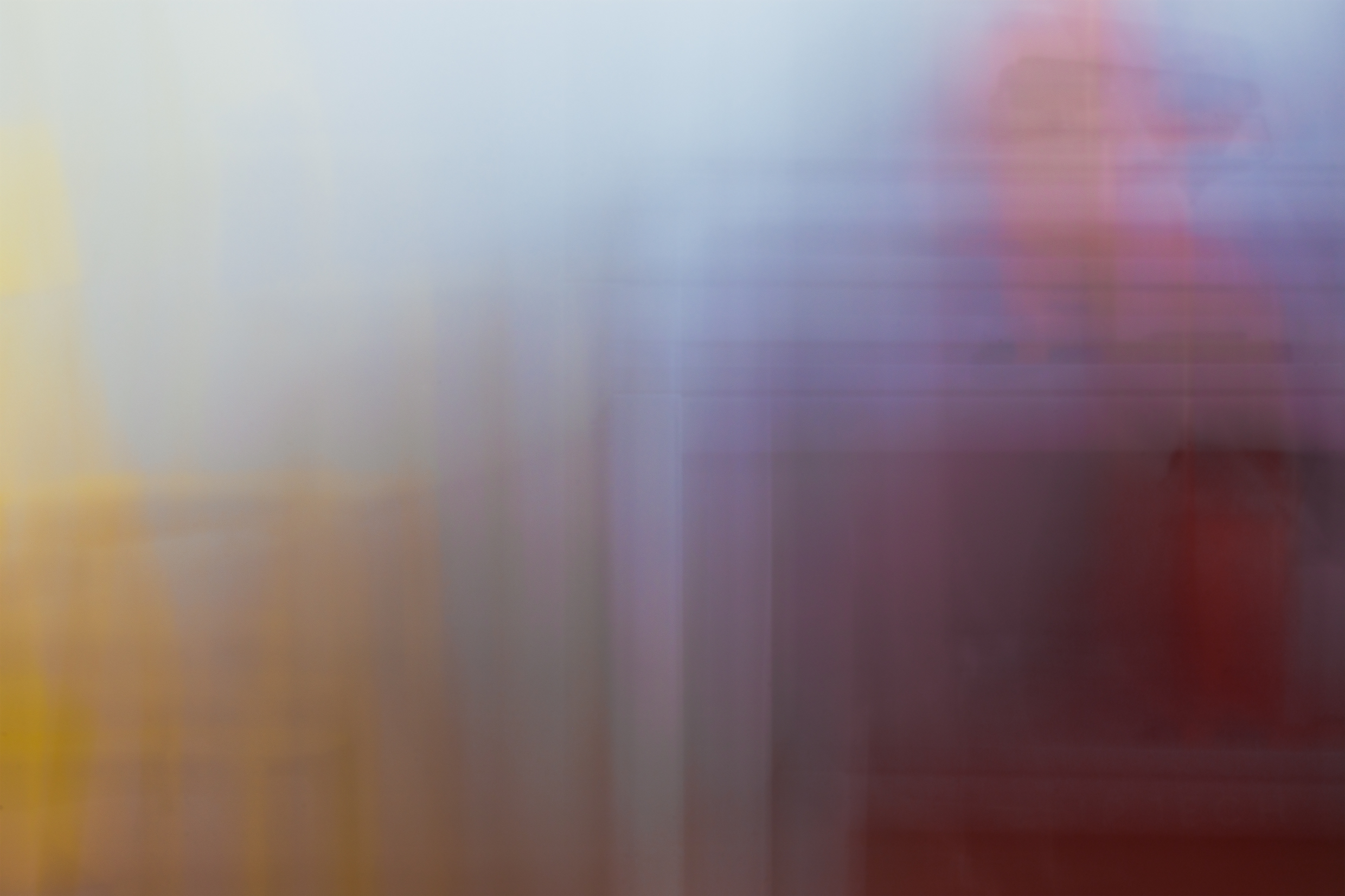
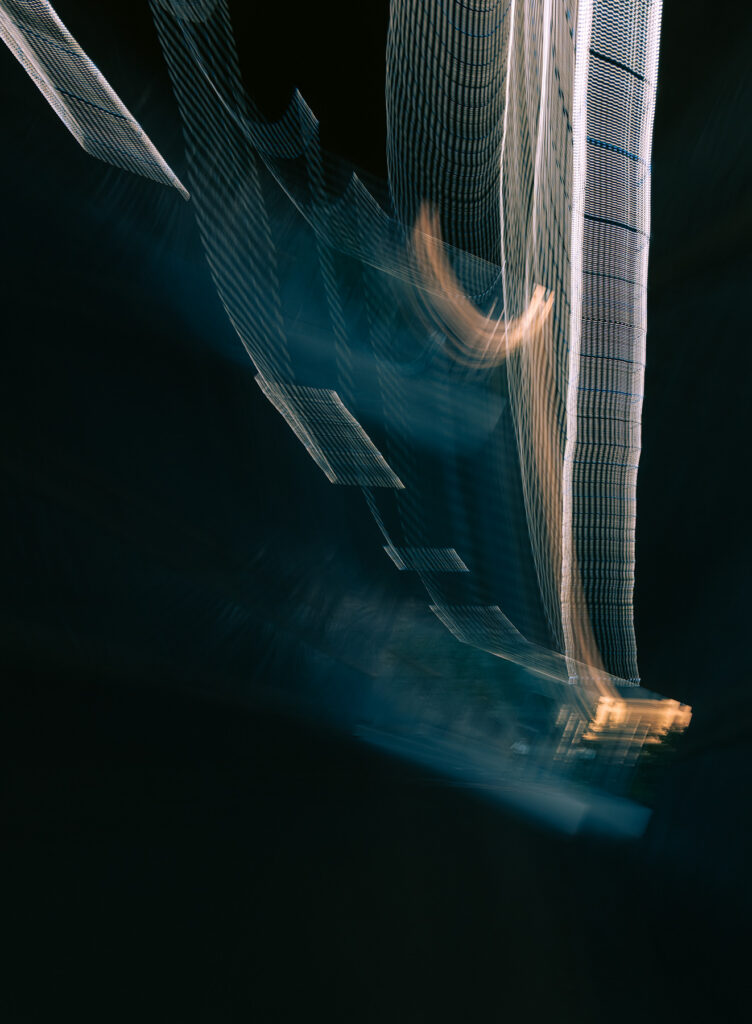
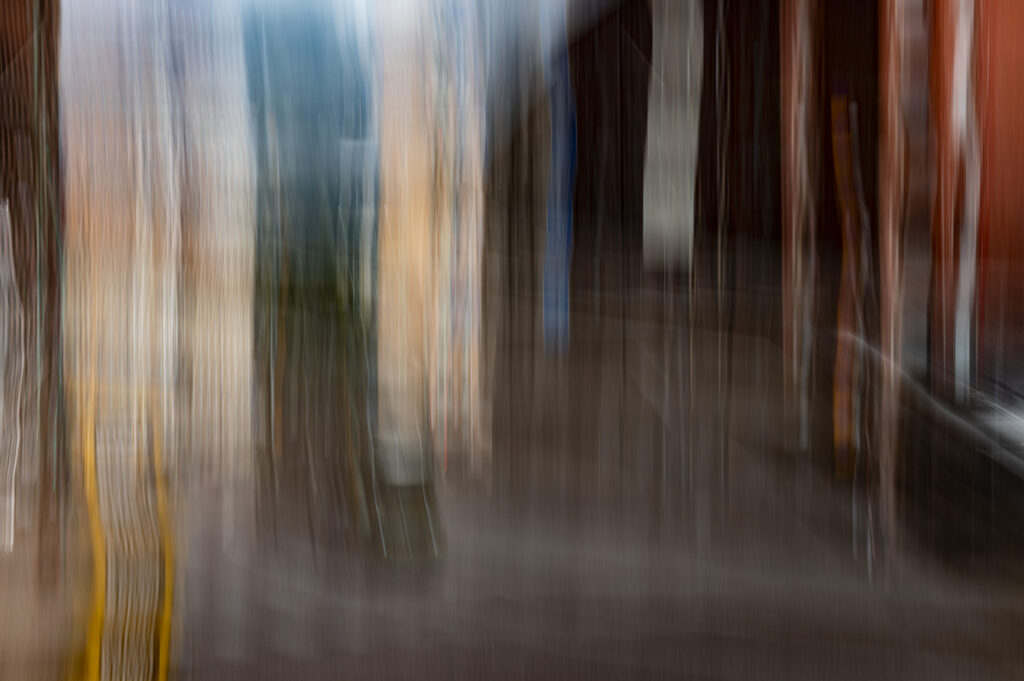
Stable structures dissolve, and the boundaries between above and below become uncertain. This loss of orientation changes not only how the surrounding world is perceived, but also how we locate ourselves within it.
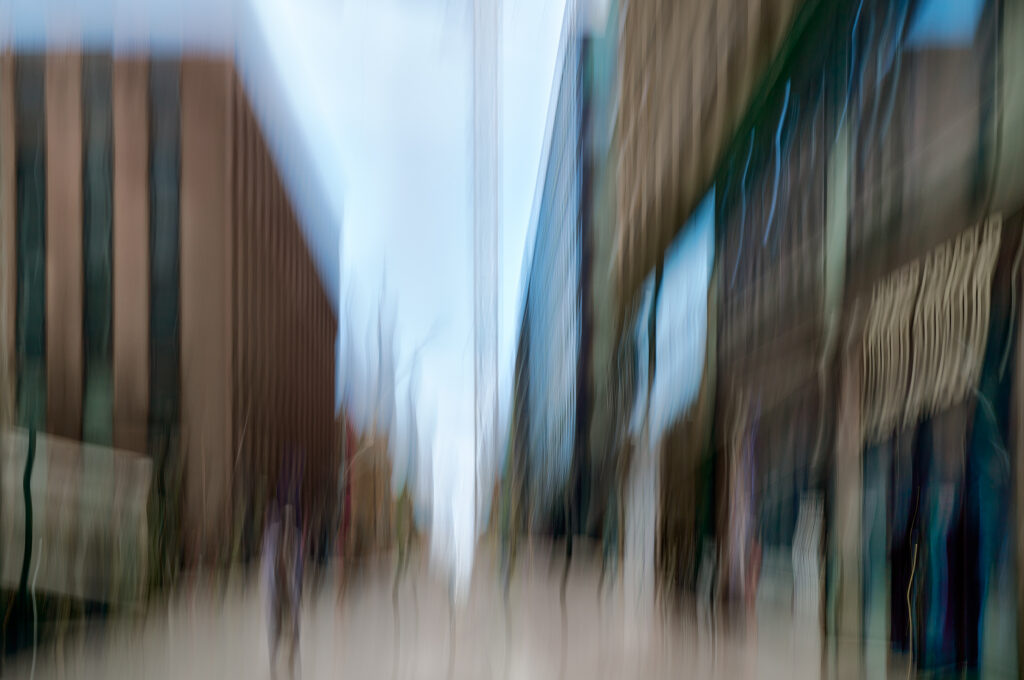
As familiar structures become fluid and layered, uncertainty opens space for reorientation: for questioning what once seemed obvious and rediscovering what we actually want.
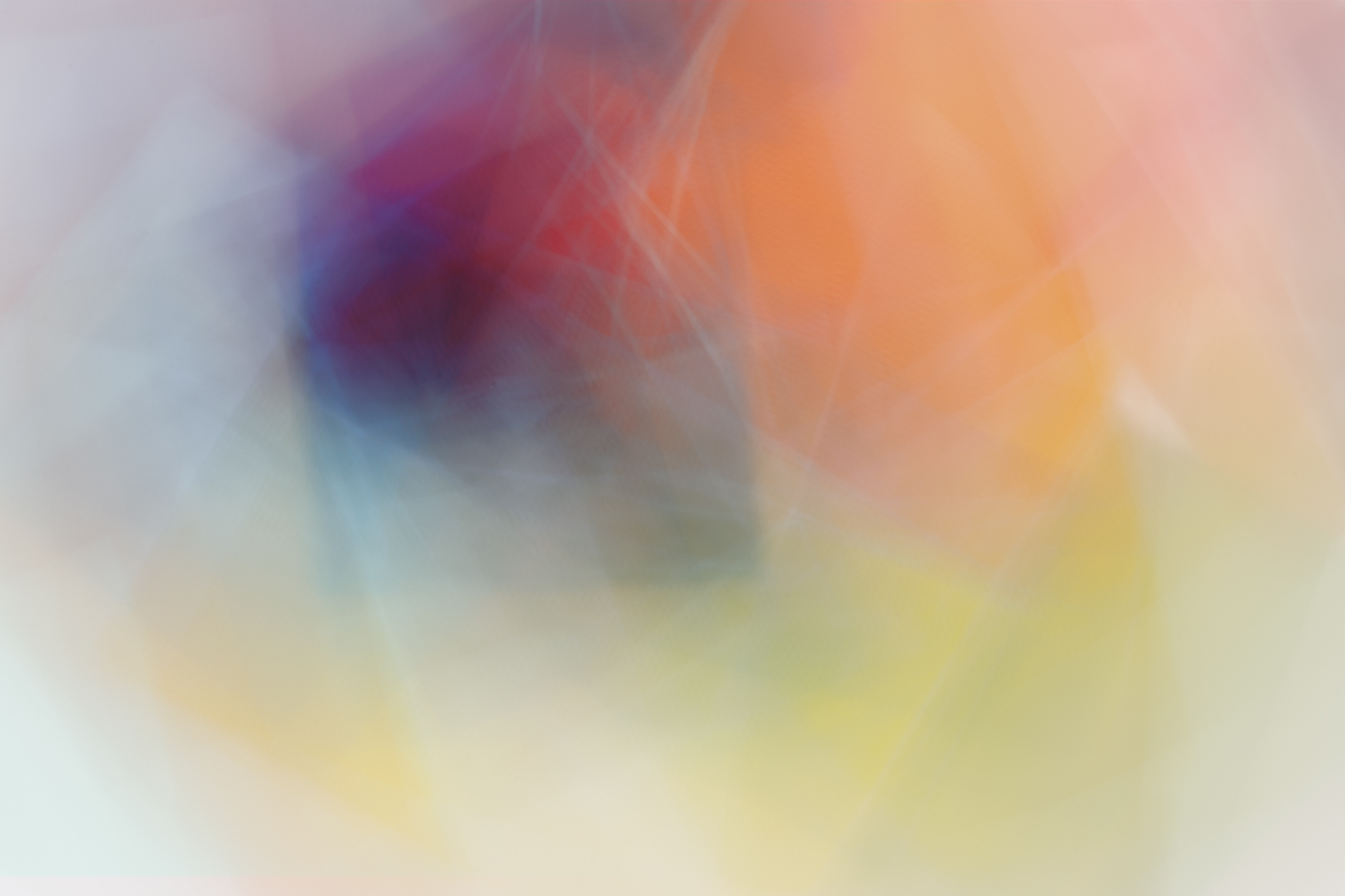
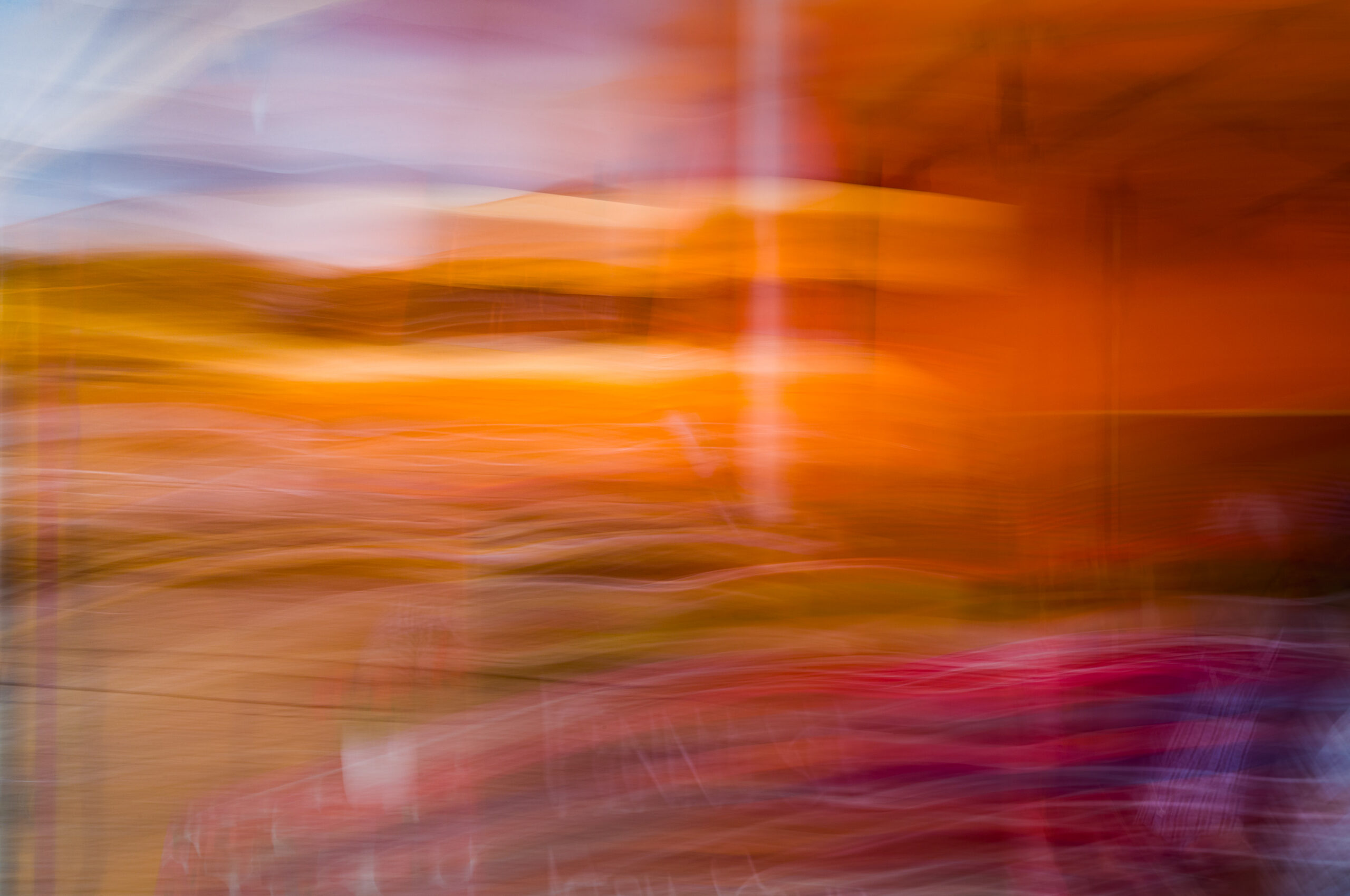
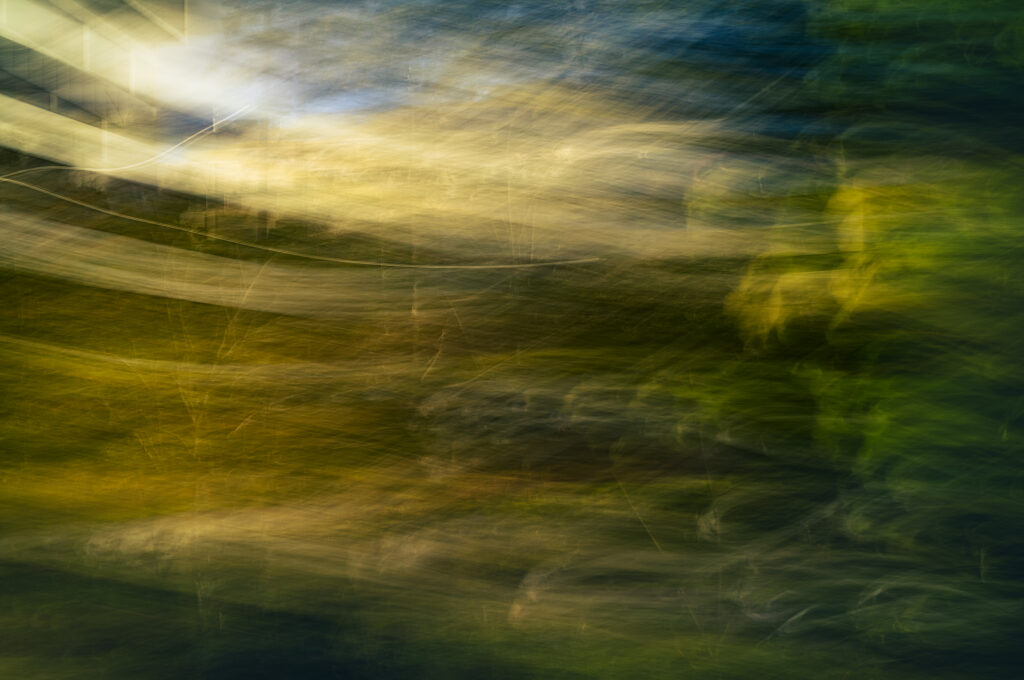
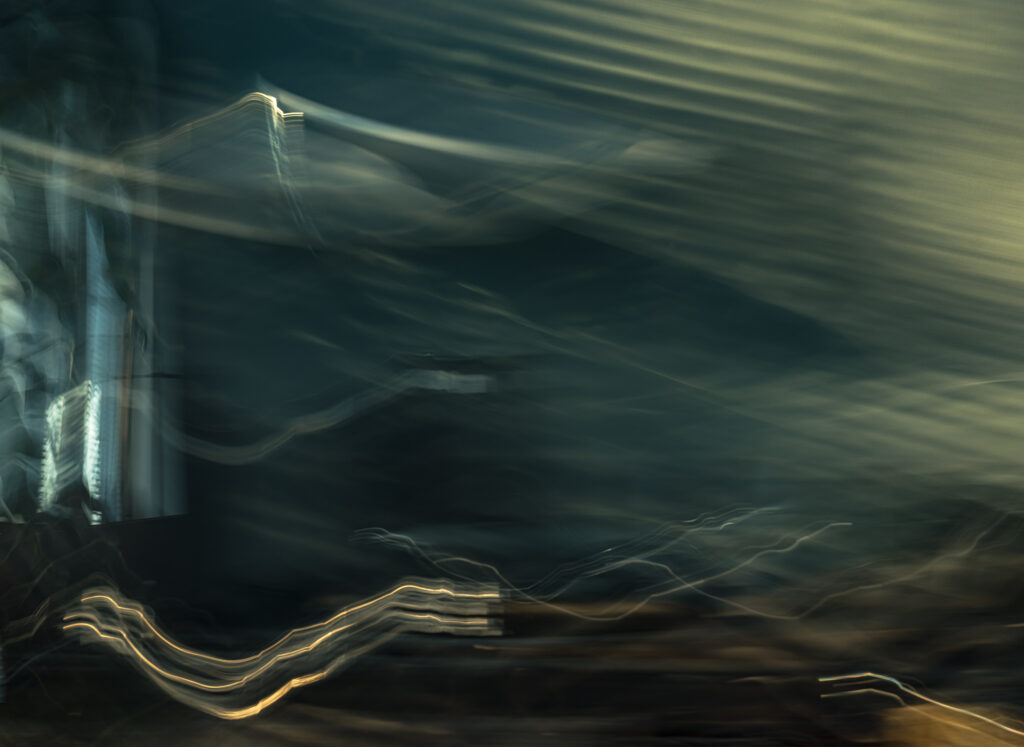
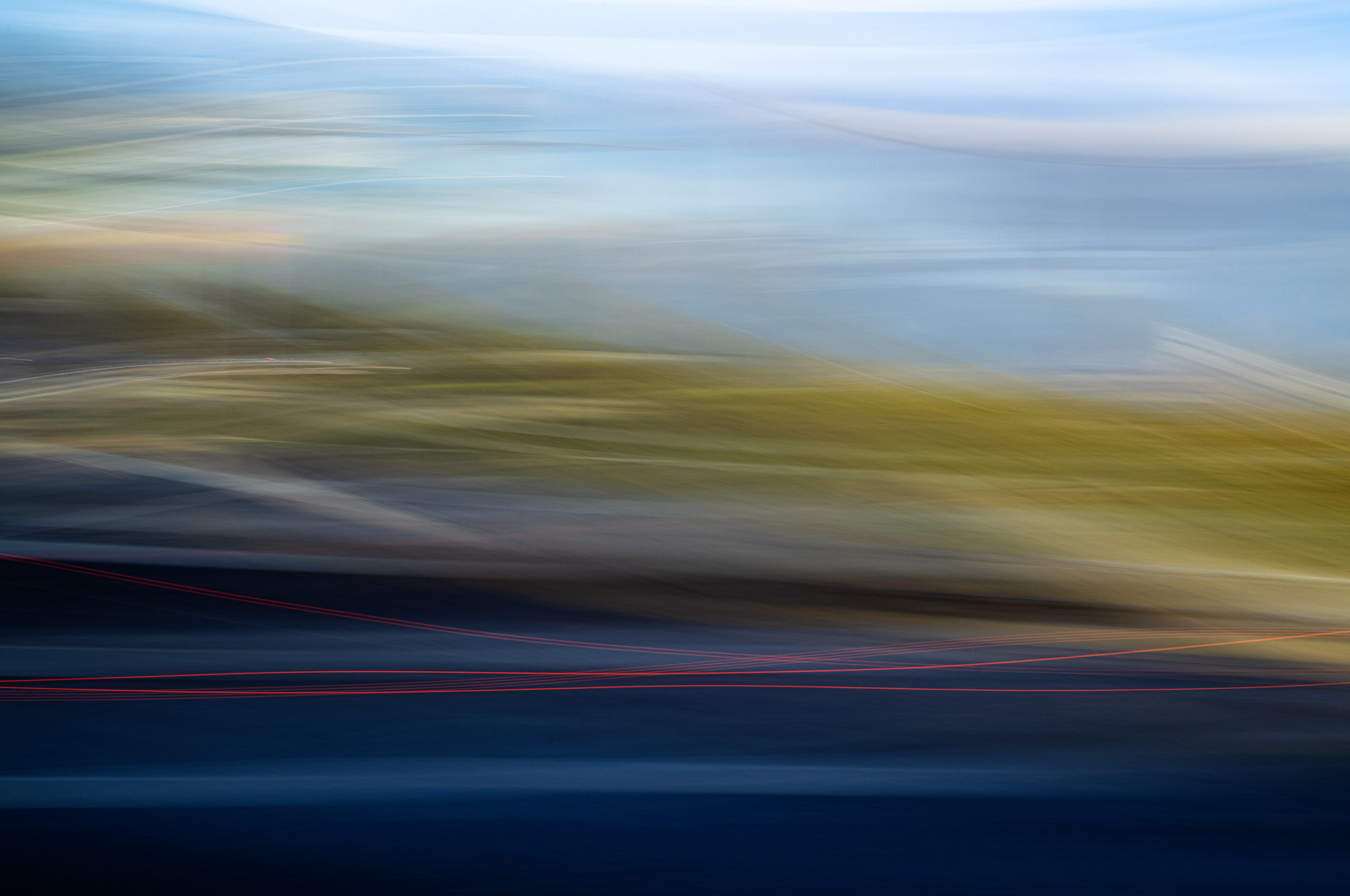
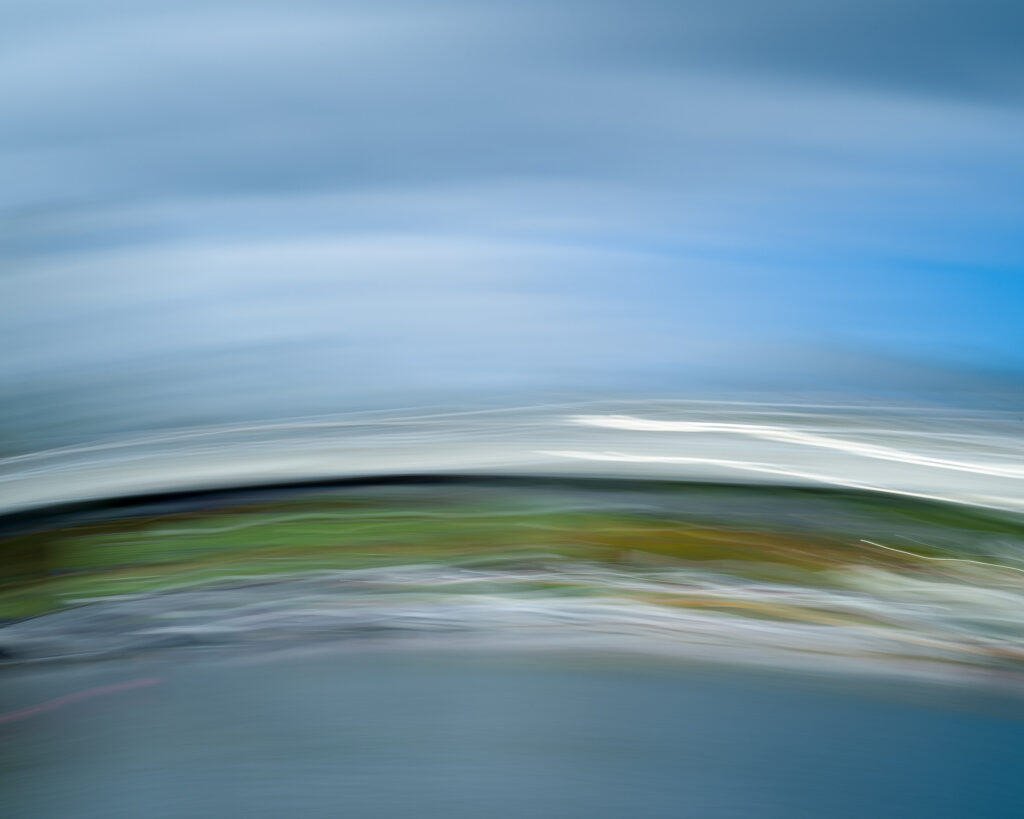
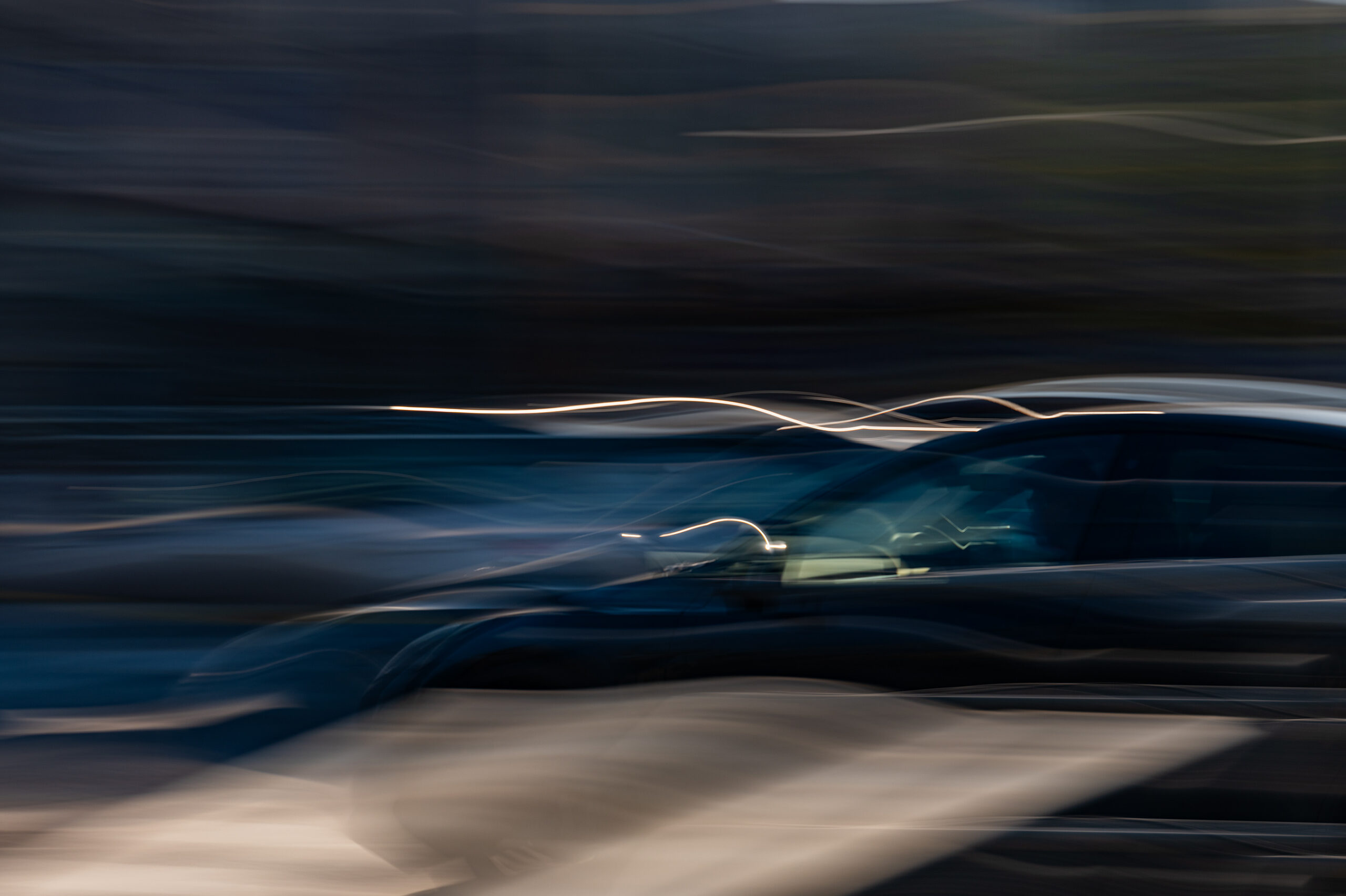
The motion of light, unfolding over time, transforms the visible world into a new visual surface, where representation gives way to a more immediate experience of color and form.
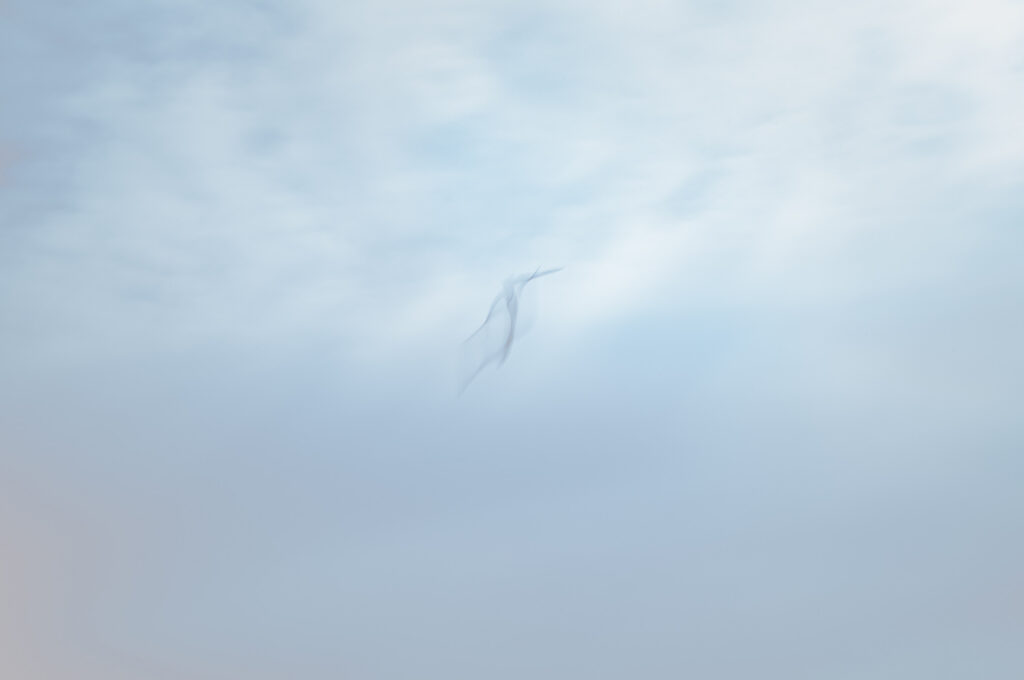
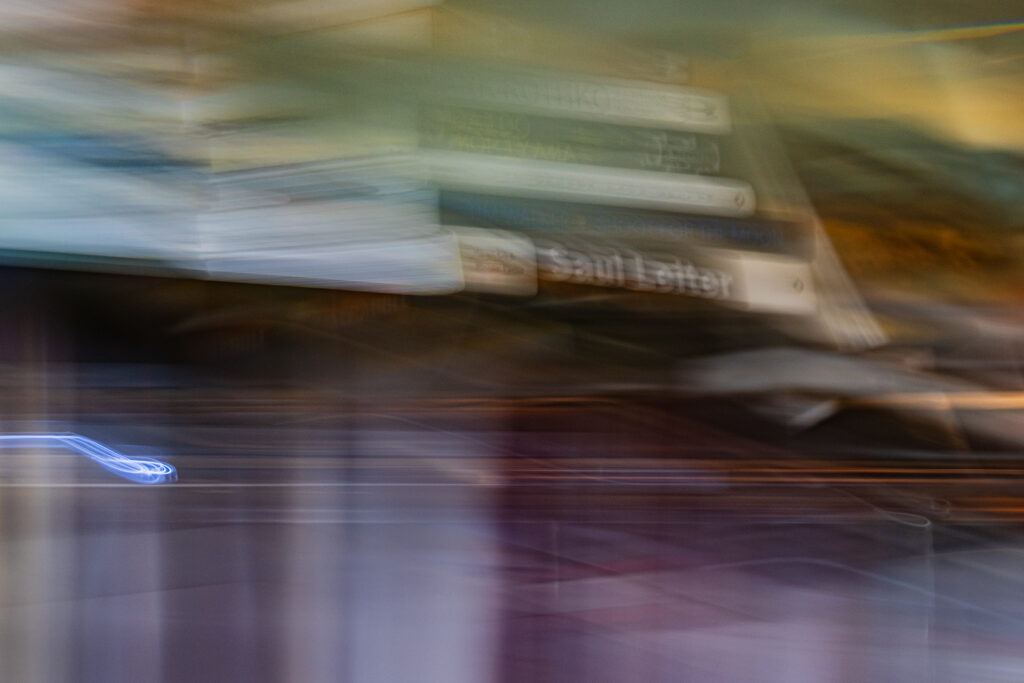
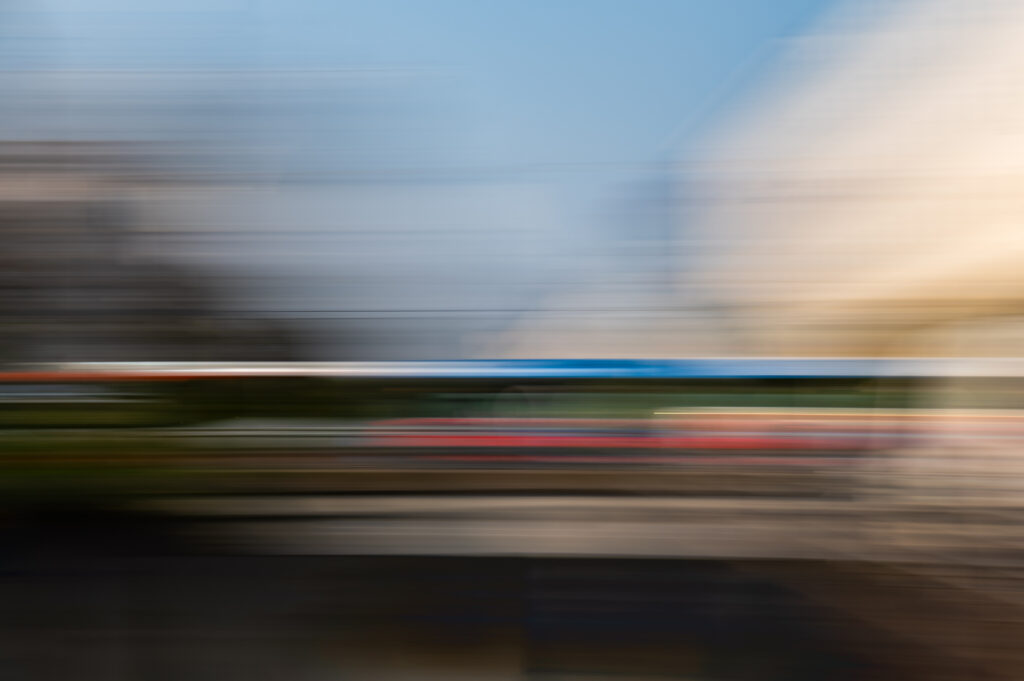
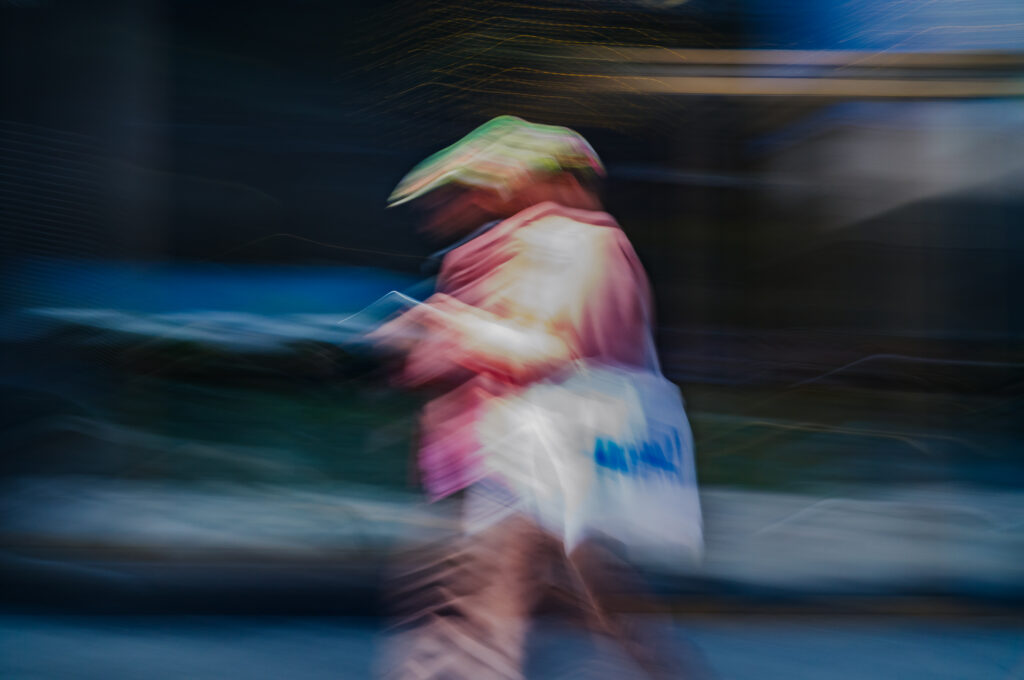
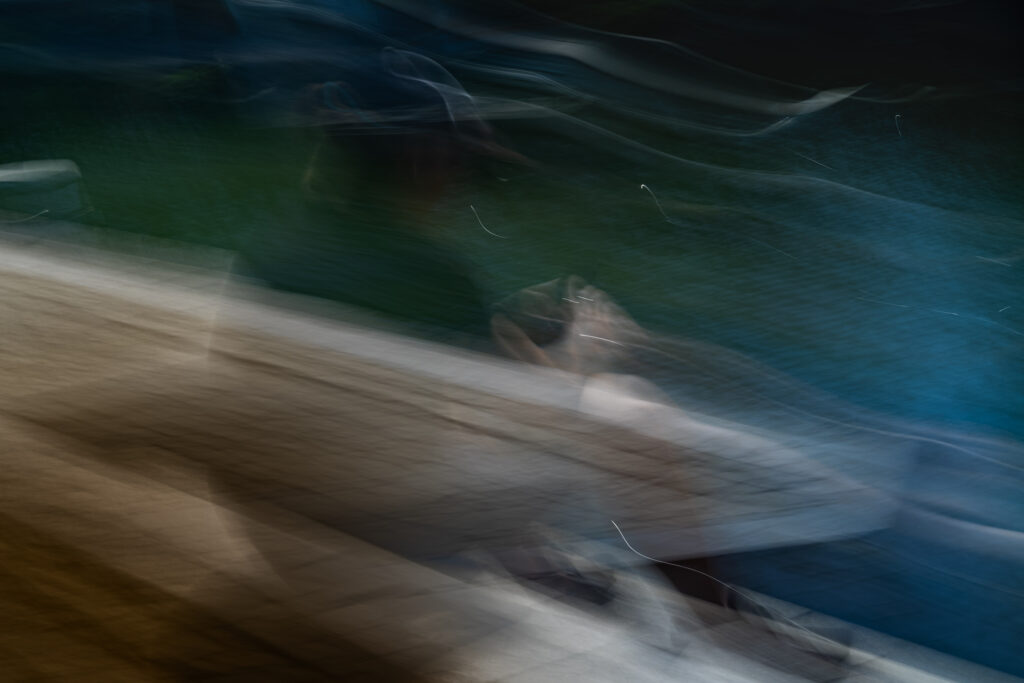
This experiment explores how recognizable reality can be transformed into abstraction without leaving reality behind. Familiar forms dissolve, while their colors remain and begin to form a new visual structure.
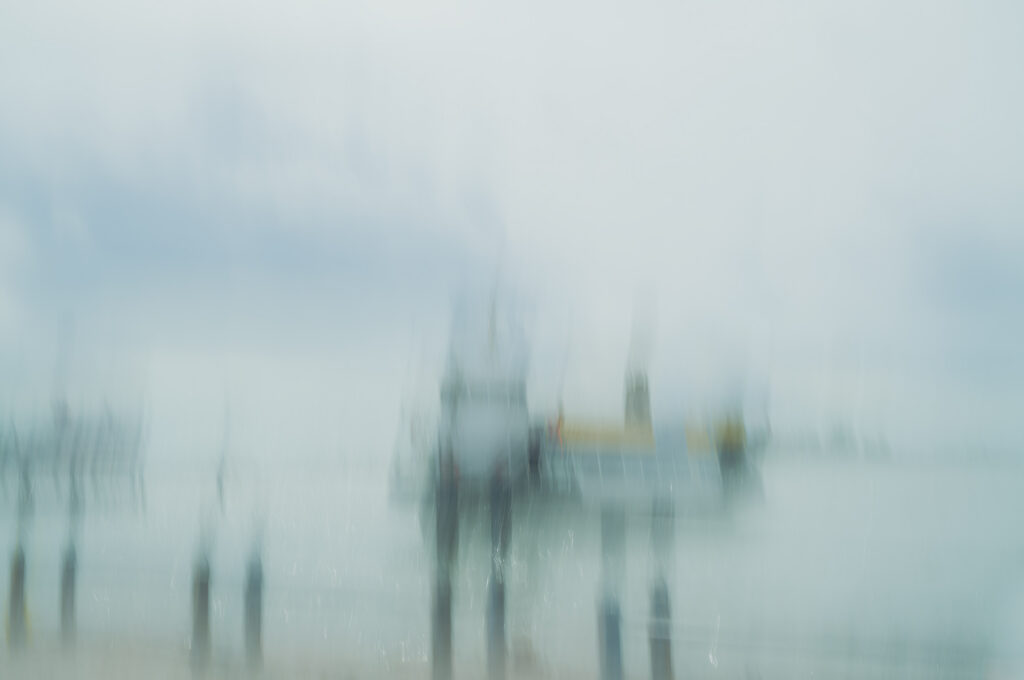
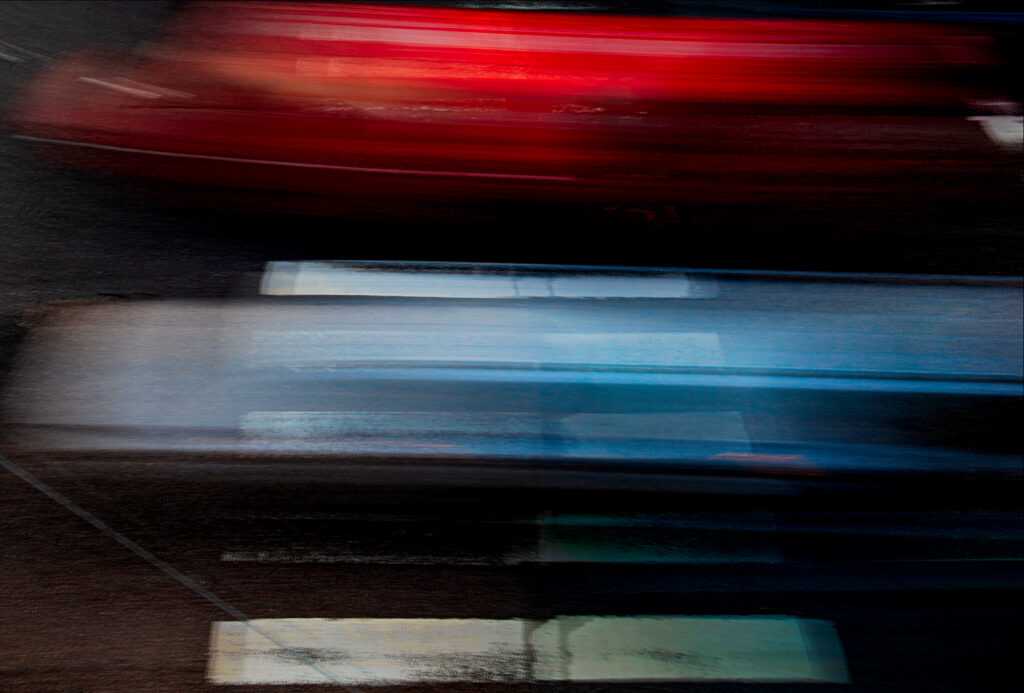
Everyday scenes become emotionally charged fields of color rather than recognizable subjects. The experiment asks how little of the visible world an image needs to retain before it becomes abstraction.
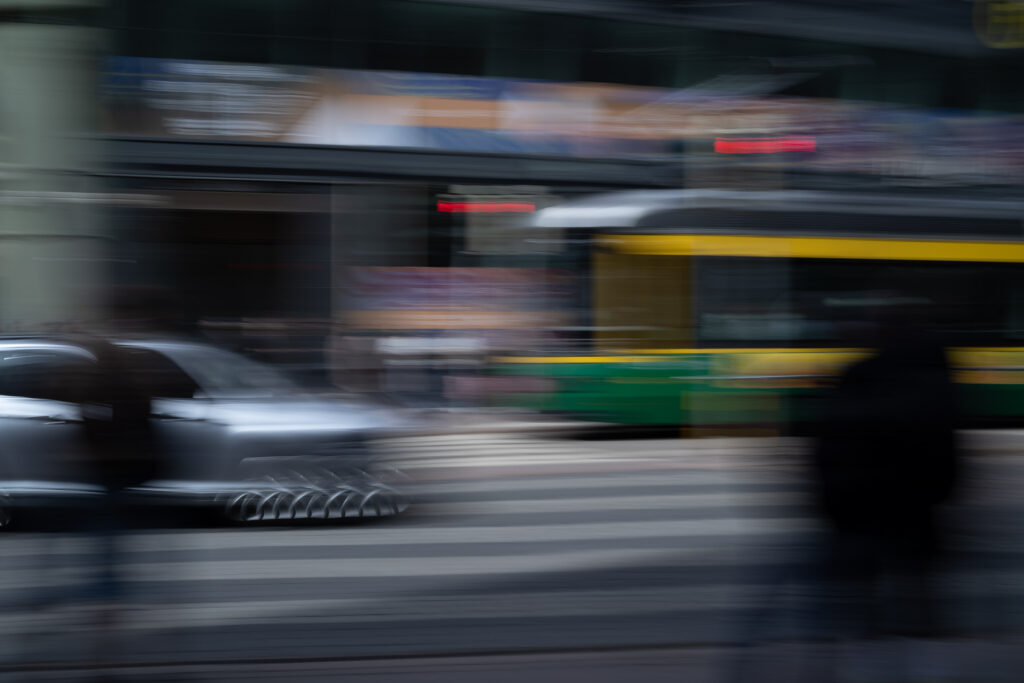
The process is not linear. Each image tests a different balance between transformation and recognition, allowing the approach to evolve through observation and experimentation.
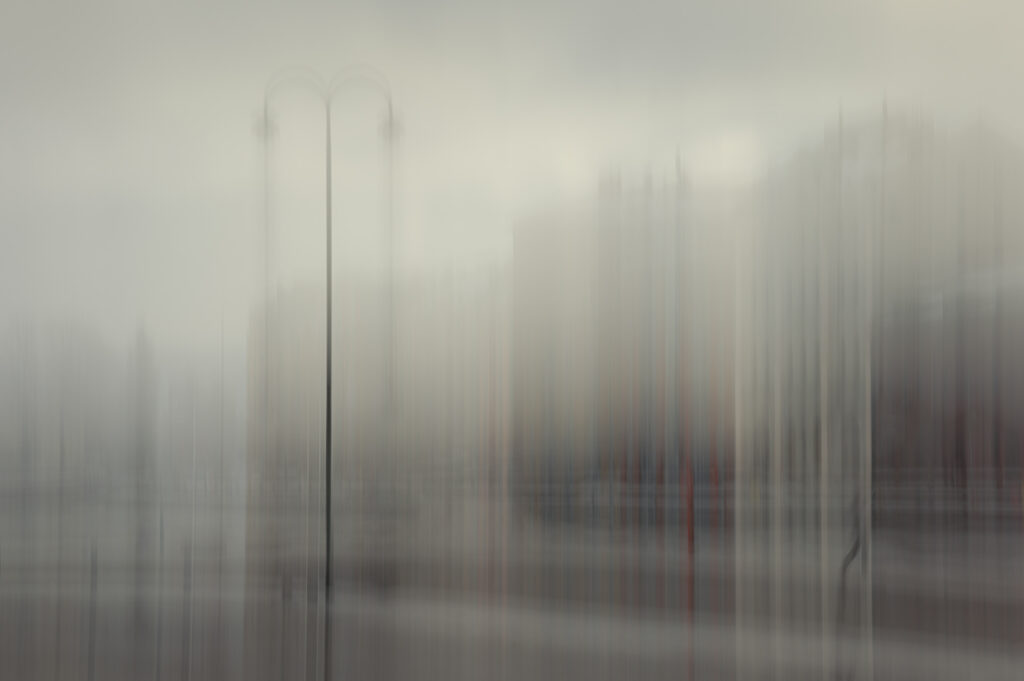
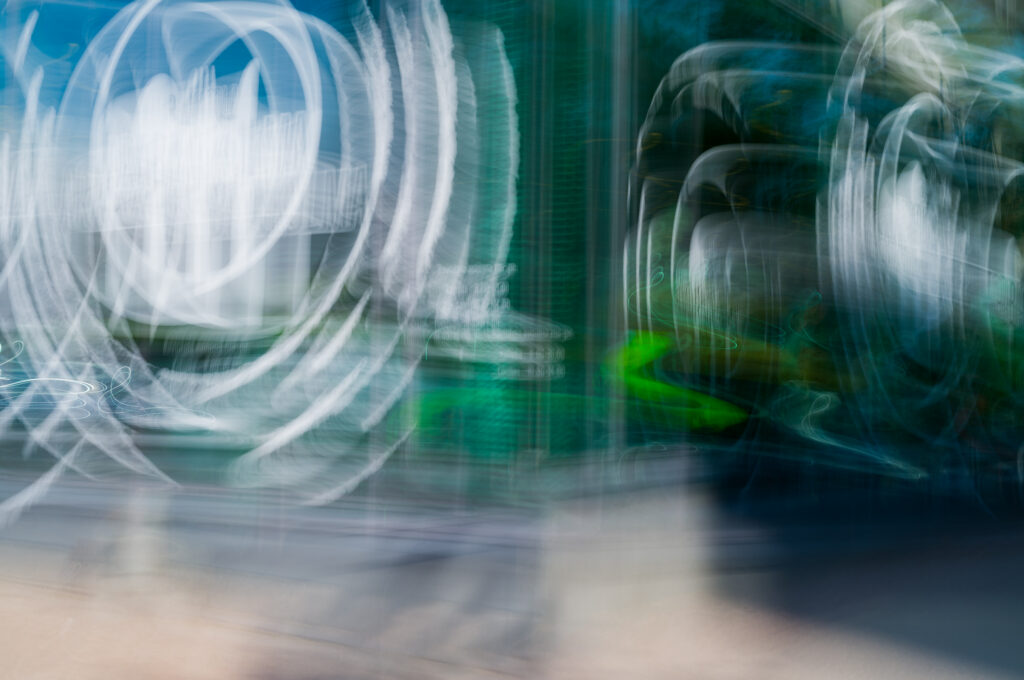
The movement of the city and the movement of the camera meet in these images. Their interaction creates a shifting balance between what is seen and how it is perceived.
The experiment continues to explore how camera movement can produce abstraction without giving up structure, clarity, or the physical presence of the city.